Prior Expectations
Before the recent developments, the United States had been engaged in a prolonged military campaign against Iran, with ongoing strikes and objectives aimed at curtailing Tehran’s military capabilities. The situation had been tense, with Iran responding to US-Israeli strikes through missile and drone attacks against Israel and Gulf countries.
Decisive Changes
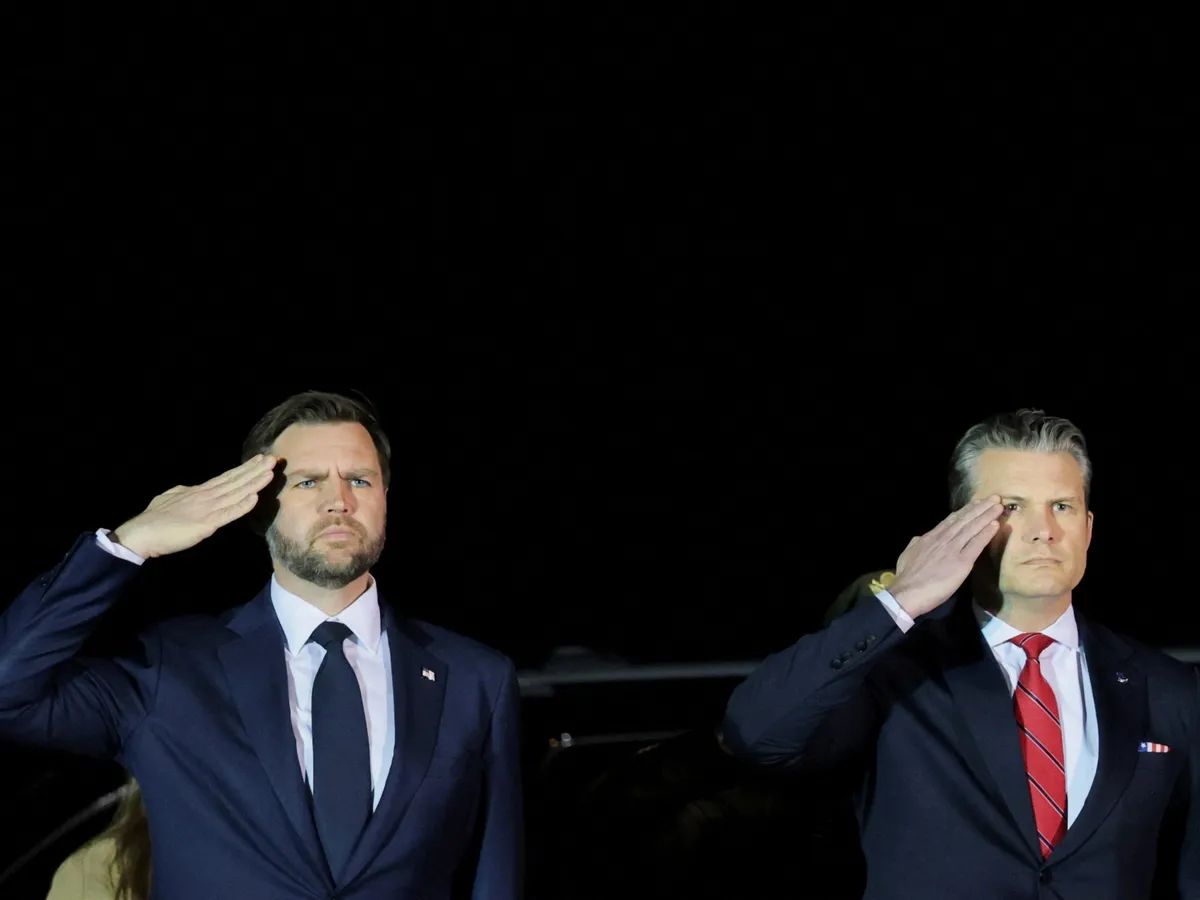
On March 10, 2026, Pete Hegseth announced a pivotal moment in the conflict, declaring that the United States is ‘winning’ in the fight against Iran. He outlined three main objectives: to neutralize Tehran’s missile capabilities, destroy its navy, and permanently deny Iran nuclear weapons. Hegseth indicated that this day would be marked by the most intense military strikes inside Iran, involving the largest number of fighters and bombers deployed to date.
Immediate Effects
The US military has reportedly struck over 5,000 targets since the onset of the war, with significant casualties on both sides. Hegseth’s statements come in the wake of the deaths of seven American service members, underscoring the human cost of the conflict. In retaliation, Iran has intensified its military actions, successfully closing the Strait of Hormuz, a critical passage for 20% of the world’s oil supply.
Expert Perspectives
Experts have noted that the escalation of US military efforts could have far-reaching implications for regional stability. Hegseth emphasized, “We will not relent until the enemy is totally and decisively defeated,” reflecting a commitment to a more aggressive military posture. Meanwhile, Iranian officials, including Ali Larijani, have countered these claims, asserting that historical attempts to eliminate their nation have failed.
As the conflict continues to evolve, the international community watches closely, particularly regarding the implications for global oil markets. The price of oil has surged to $119 per barrel, a reflection of the instability in the region and concerns over supply disruptions.
Details remain unconfirmed regarding the full extent of the military operations and their long-term effects on US-Iran relations. However, the current trajectory suggests an intensifying conflict that could reshape the geopolitical landscape in the Middle East.