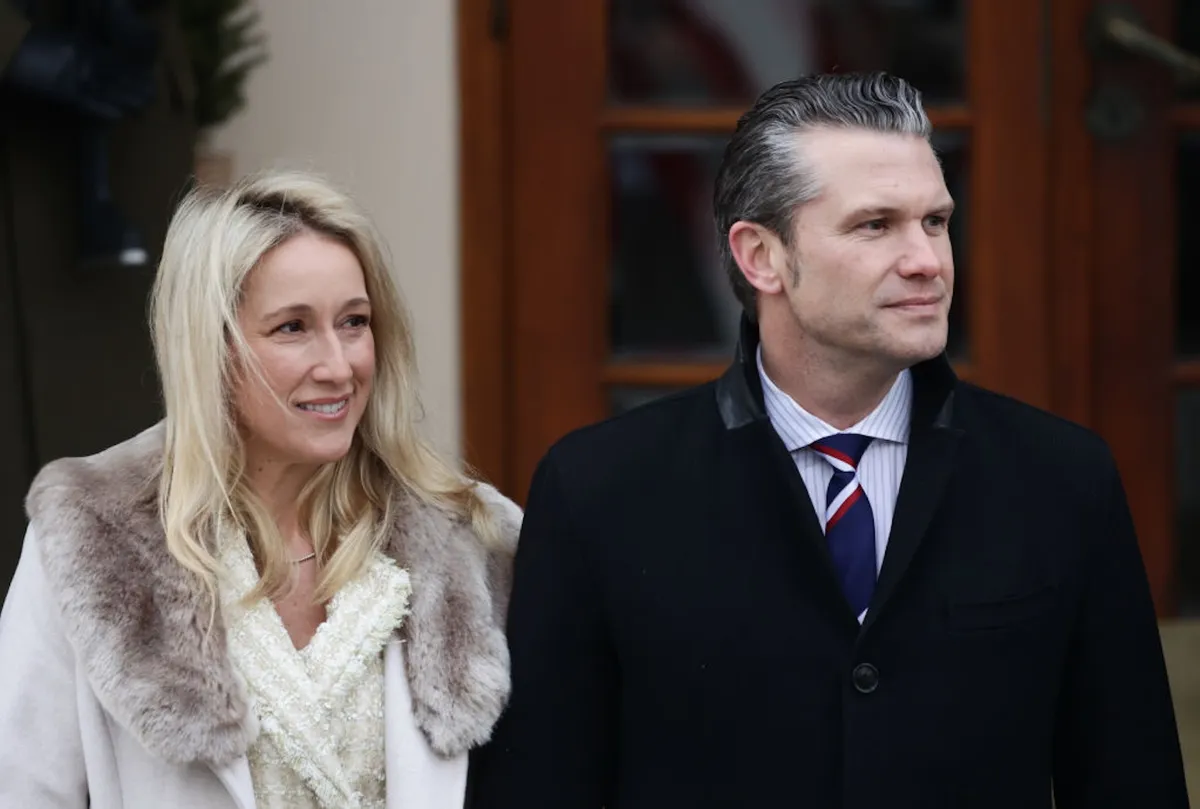
The controversy over Jennifer Hegseth’s $42 Shein dress at the White House Correspondents’ Association dinner on April 27, 2026, has ignited discussions about fashion, politics, and social media scrutiny.
As the event unfolded in Washington, D.C., Jennifer donned a striking dress from Shein, sparking a flurry of attention online. The dress was affordable—priced at just $42—and boasted an impressive rating of 4.88 stars out of 5.
However, the evening took a turn when Ella Devi, a Parsons student studying photography and English, mistakenly identified the dress as being from Temu, which sells a similar version for $20. This misstep fueled social media discussions about fast fashion and political affiliations.
Social media quickly erupted with mixed reactions. Some users criticized the choice of fast fashion in the context of nationalism and ethical consumption. Aja Barber voiced her disapproval by stating, “A dress should cost more than $40.” Yet, others came to Jennifer’s defense.
Laura Loomer defended Jennifer’s choice, saying, “She looks amazing. I thought the left was about ‘eating the rich’? Now you want to dunk on someone who didn’t waste $10,000 on a dress they will only ever wear once?” Loomer’s comment highlights how political fashion choices often become battlegrounds for larger ideological debates.
The backlash surrounding Jennifer’s dress received significant attention; her Instagram post showcasing it garnered over 7,000 likes. This incident illustrates how rapidly digital spaces can amplify discussions around ethical consumption and personal choices in political spheres.
Fast fashion is known to kick up all kinds of digital debate about overconsumption and environmentalism. As this controversy unfolds, it serves as yet another reminder that even seemingly simple choices—like what to wear to a high-profile event—can become complex reflections of societal values and tensions.