Introduction
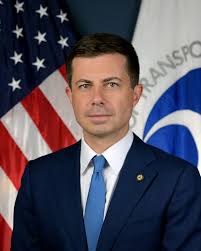
Pete Buttigieg, former mayor of South Bend, Indiana, and United States Secretary of Transportation, has been in the spotlight since his appointment in early 2021. His role is particularly significant as it involves overseeing infrastructure development and policies that will shape the transportation sector for years to come. With ongoing discussions around climate change, infrastructure funding, and supply chain challenges, Buttigieg’s decisions are critical for both the economy and the environment.
Current Events and Initiatives
In recent months, Buttigieg has focused on implementing the $1.2 trillion Infrastructure Investment and Jobs Act, a bipartisan effort aimed at revitalising America’s infrastructure, including roads, bridges, and public transport. This legislation is part of President Biden’s broader agenda to transform the economy in a sustainable manner. The Secretary has been vocal about the urgency of climate change, advocating for investment in electric vehicle infrastructure and cleaner transit solutions. He stated at a recent conference, “Innovation in transportation is crucial for not only rebuilding our infrastructure but also for addressing the climate crisis.”
Additionally, Buttigieg has been addressing supply chain disruptions, especially those exacerbated by the COVID-19 pandemic. His office has worked to streamline transport systems amid growing concerns about delays and shortages that have affected numerous sectors, from automotive to consumer goods. This has involved coordinating with shipping companies and labour unions to enhance efficiency.
Challenges and Criticism
However, Buttigieg’s tenure has not been without its challenges. He has faced significant criticism regarding the pace of recovery and reform, particularly in light of rising transportation costs and increasing inflation. Critics have questioned whether his strategies are adequately addressing the immediate economic pressures consumers are facing. Furthermore, some progressives feel that Buttigieg’s focus on electric vehicles may not be sufficient to ensure equitable access to transportation solutions for all communities, particularly underserved ones.
Conclusion: The Path Ahead
As Buttigieg continues to navigate these complex issues, the future of transportation in the United States may hinge on his ability to balance innovative policies with immediate public needs. Transportation has long-term implications for economic growth, sustainability, and societal equity. The Secretary’s efforts will be closely watched, as successful infrastructural reforms could pave the way for a greener, more efficient transportation network. Analysts suggest that if Buttigieg can effectively address the current challenges while pushing forward on ambitious projects, he may solidify his position as a key figure in shaping the future of American transportation.