Introduction
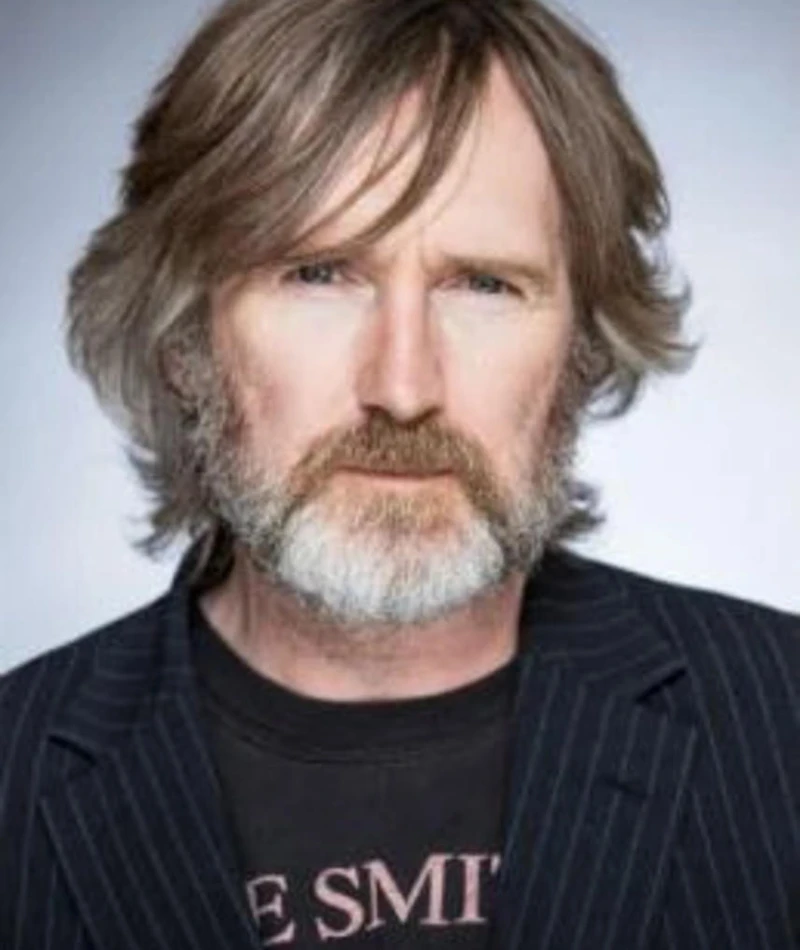
Pearce Quigley is quickly carving out a reputation for himself in the UK theatre and film industry. Known for his diverse roles and compelling performances, Quigley has become a notable figure among audiences and critics alike. His work highlights not only his acting skills but also the importance of contemporary theatre in reflecting societal issues.
Recent Performances
In 2023, Quigley has been featured in several productions, including a leading role in the adaptation of a well-known novel for the stage. Critics have praised his recent performance for its emotional depth and authenticity, with The Guardian noting that Quigley brings an ‘extraordinary vulnerability’ to his characters. His ability to connect with the audience has made him a key player in ensuring that modern theatre remains relevant and relatable.
Background and Training
Quigley grew up in the UK and developed an early interest in performing arts. He studied at a prominent drama school where he honed his skills in acting, voice, and physical theatre. This rigorous training laid the foundation for his success on both stage and screen. Since his graduation, Quigley has also ventured into television, appearing in several popular series that showcase his versatility as an actor.
Impact on Theatre
Pearce Quigley’s contributions to theatre extend beyond his performances. He is actively involved in initiatives aimed at promoting new writing and producing original works that challenge conventional narratives. Quigley has expressed a passion for mentoring young actors, believing that fostering new talent is essential for the future of theatre. His commitment to the craft has positioned him as a role model for aspiring performers.
Conclusion
As Pearce Quigley continues to gain recognition in the UK theatre scene, his influence is likely to grow. With upcoming projects planned for 2024, audiences can expect to see more innovative performances from him. Quigley’s dedication to the arts and his ability to convey complex human emotions will ensure his place as a significant figure in the UK’s cultural landscape for years to come.