In recent weeks, the geopolitical landscape surrounding Pakistan has shifted dramatically as the nation takes on a pivotal role in mediating the ongoing conflict between the United States and Iran. Prior to this development, expectations were grim, with escalating military operations and a looming threat of widespread conflict. The situation has been tense since the US launched military actions against Iran over five weeks ago, raising fears of instability in a region critical to global oil supplies.
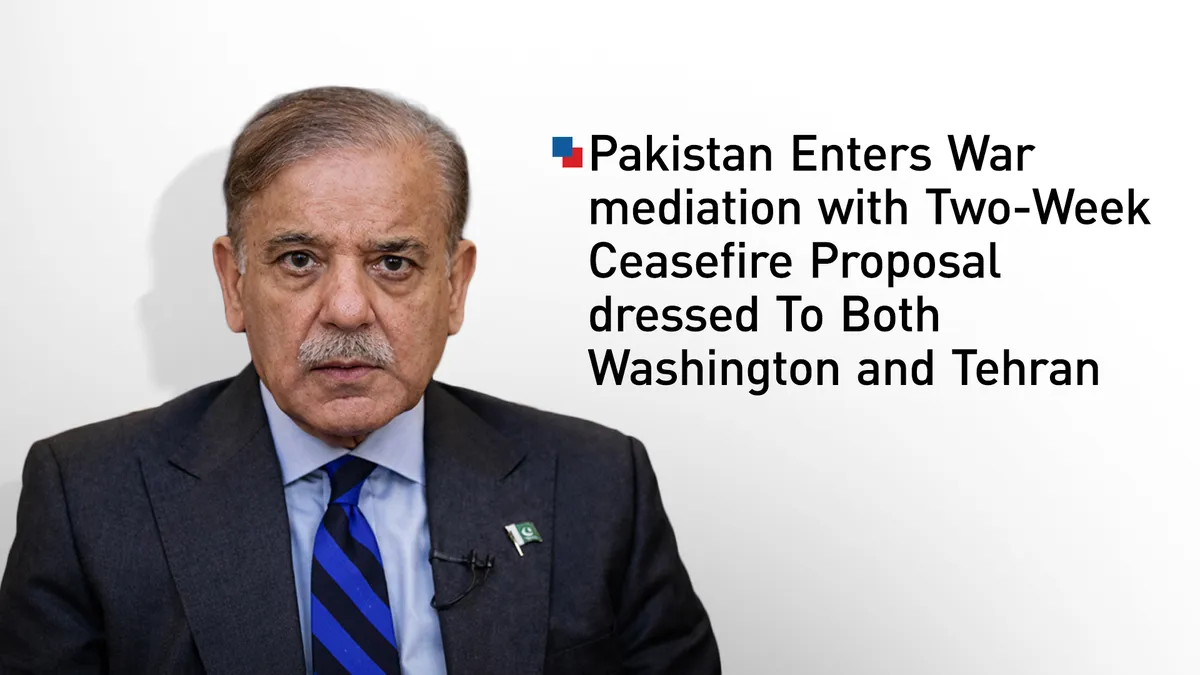
As of April 7, 2026, Pakistan’s Prime Minister Shehbaz Sharif has actively engaged in mediation efforts, calling for a two-week extension of the US strike authorization against Iran while urging Iran to reopen the Strait of Hormuz as a gesture of goodwill. This strategic waterway is crucial, with 20 percent of the world’s oil and gas supplies passing through it in peacetime.
The decisive moment came when US President Donald Trump confirmed that Vice President JD Vance is involved in the mediation efforts, emphasizing the significance of this diplomatic initiative. However, the situation remains precarious, as Iran has rejected Pakistan’s ceasefire proposal, labeling it ‘illogical.’ This rejection underscores the challenges faced by Pakistan in its mediation role.
Despite the setbacks, the mediation framework proposed by Pakistan includes confidence-building measures followed by a formal ceasefire, indicating a structured approach to resolving the conflict. Iran’s ambassador to Pakistan has noted that the mediation is at a ‘critical, sensitive stage,’ highlighting the urgency of the situation.
The rhetoric from the US has intensified, with Trump warning that ‘a whole civilization will die tonight’ as the deadline for Iran looms. Such statements reflect the high stakes involved and the potential consequences of failure in these negotiations.
Expert voices, such as Omani Foreign Minister Badr Al Busaidi, suggest that there is still hope for a resolution, stating, ‘The big picture is that a deal is in our hands.’ This perspective offers a glimmer of optimism amidst the escalating tensions.
As Pakistan continues its mediation efforts, the direct effects on the involved parties are becoming increasingly evident. The US delegation, prepared to travel to Islamabad for discussions with Iran, has had to cancel two visits, further complicating the dialogue process.
Details remain unconfirmed regarding the specific confidence-building measures proposed, leaving the outcome of these mediation efforts uncertain. The situation remains fluid, with both sides engaged in escalating rhetoric that could have far-reaching implications for regional stability.
In this critical moment, Pakistan’s role as a mediator highlights its potential to influence international relations and foster peace in a tumultuous region. The world watches closely as these developments unfold, hoping for a resolution that can avert further conflict.