Introduction to the Oxford Congestion Charge
The introduction of a congestion charge in Oxford has become a pivotal topic of discussion in recent months. Aimed at reducing traffic congestion and improving air quality in one of the UK’s busiest cities, the plan has profound implications for residents, businesses, and the environment alike. As urban areas grapple with increasing vehicle traffic, Oxford’s approach may set a precedent for other UK cities.
Details of the Proposed Charge
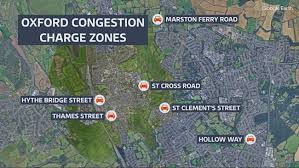
The Oxford congestion charge was proposed as part of a broader initiative to tackle climate change and promote sustainable travel. Officially announced in early 2023, the plan aims to implement a charge for vehicles entering the city centre during peak hours. Here’s a detailed look at the proposals:
- Charge Rates: The charge is expected to cost drivers £10 per day, with provisions for exemptions for certain vehicles and residents.
- Implementation Date: The city council is looking at a phased implementation starting in late 2024.
- Revenue Utilisation: Funds generated from the charge will be reinvested into public transportation and cycling infrastructure.
Public Response and Reactions
Public opinion has been divided on the Oxford congestion charge. Proponents argue that the charge is essential for reducing air quality issues, which have been linked to various health problems. Oxford has systematically degraded air quality over the years, and action is deemed crucial.
On the flip side, some residents and local businesses express concern regarding the financial burden the charge may impose. Critics worry that the extra cost will deter shoppers, further harming already struggling high street shops. Public consultations have shown a range of opinions, with many asking for more information on how the funds will be spent and what support systems will be implemented for those directly affected.
Conclusion and Future Outlook
The Oxford congestion charge represents a significant shift in urban transport policy, with the potential to mitigate traffic and pollution in the city. As preparations advance, discussions are expected to intensify within local communities, with feedback shaping the final implementation strategies.
The successful rollout of the scheme could serve as a model for other cities facing similar challenges, balancing economic interests with environmental responsibilities. As policymakers continue to refine the proposal based on public input, the outcome in Oxford may well influence national transport strategies as the UK aims to meet its climate goals. Only time will tell how this ambitious plan unfolds.