Introduction to the Czech Parliamentary Elections
The Czech parliamentary elections, held on October 7-8, 2023, have garnered significant attention both domestically and internationally. These elections are crucial as they determine the composition of the Chamber of Deputies, which plays a pivotal role in shaping the country’s legislation and governance. Given the current socio-political climate in the Czech Republic, the outcomes of these elections are expected to influence not only national policies but also the country’s stance in the European Union.
Key Players and Political Landscape
This year, the elections saw several political parties vying for power. The two major coalitions, the governing alliance of Spolu (Together) and the opposition coalition of PirStan (Pirates and Mayors), were competing fiercely. The Spolu coalition, which includes the Civic Democratic Party (ODS), the Christian Democratic Union (KDU-ČSL), and the TOP 09 party, was aiming to retain control amidst challenges from rising populist movements. Meanwhile, the PirStan coalition, which is a combination of the Pirate Party and local mayors, campaigned on progressive values, including environmental issues and digitalisation.
Major Issues Addressed During the Campaign
Key topics in the elections included responses to the ongoing economic challenges, citizens’ concerns over the cost of living, and the management of energy resources amid the European energy crisis. Additionally, questions surrounding immigration and the Czech Republic’s place within the EU framework were pivotal in shaping voters’ decisions. With inflation rates significantly affecting daily life, parties had to clearly outline their plans to alleviate financial pressures on households.
The Election Outcomes and Implications
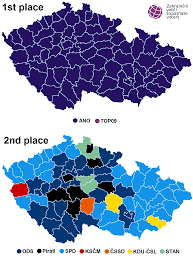
As the votes were tallied, initial reports indicated a substantial performance by both coalitions, but with an observable shift towards smaller parties gaining ground. This could suggest voters’ shifting sentiments towards alternative political voices and their frustration with traditional party politics. The results will likely necessitate coalition negotiations, as no party is expected to achieve an outright majority on its own.
Conclusion and Future Perspectives
The 2023 Czech parliamentary elections are significant not only for their immediate outcomes but also for the broader implications they hold for Czech democracy. As new parties gain traction, the historical two-party dynamics might shift, prompting a re-evaluation of political strategies. The elected government will face pressing demands to address economic and social concerns, making the coming months critically important for the nation’s future trajectory. Voters and analysts alike will be closely observing the coalition-building processes and the priorities that emerge in the new administration.