Introduction
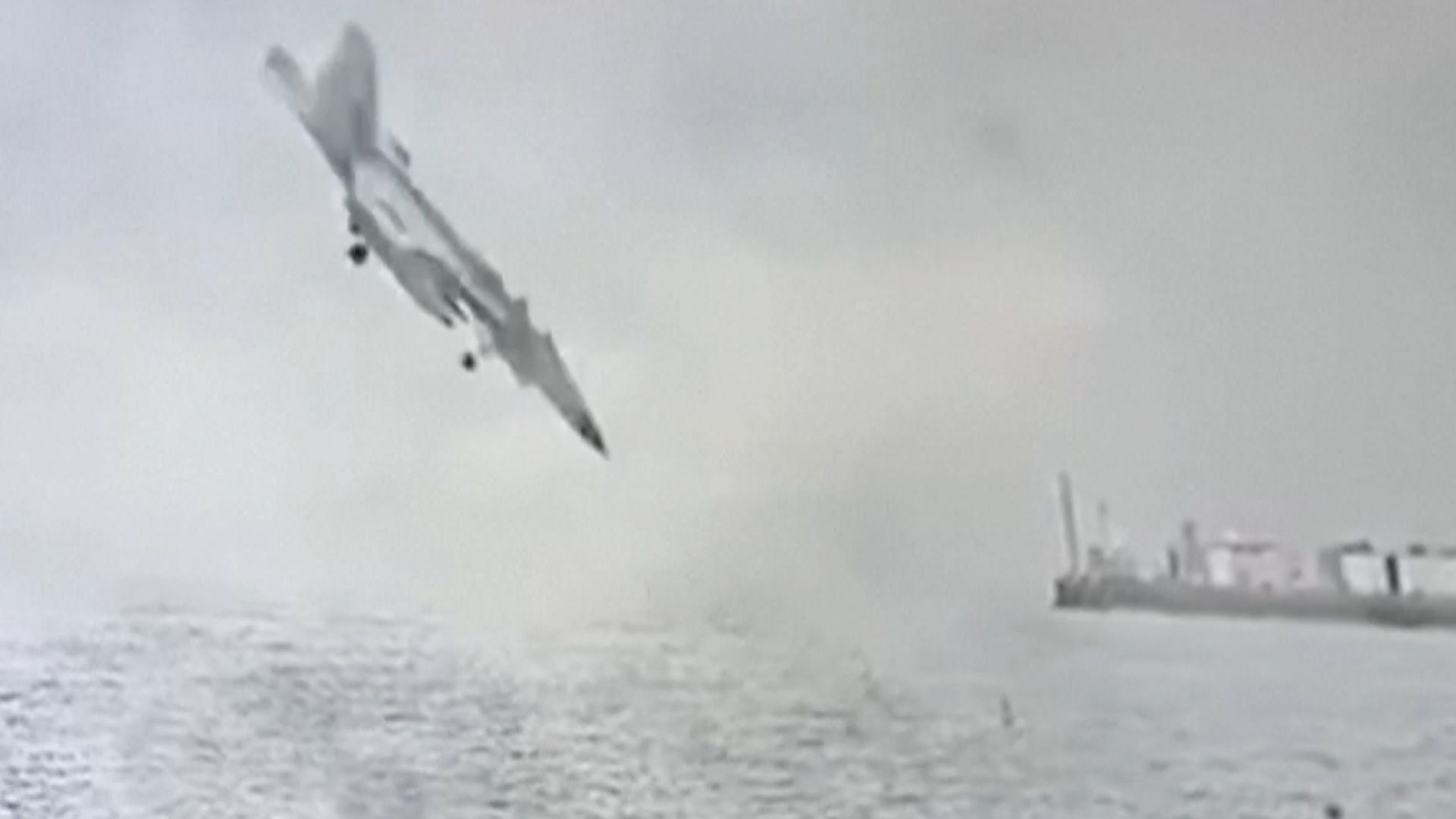
The topic of fighter jet crashes is of paramount importance, particularly as military aviation continues to evolve and expand. Such incidents not only raise serious concerns about the safety of pilots and crew but also reflect broader issues surrounding military expenditure, training effectiveness, and aircraft technology. Recently, several fighter jet crashes have captured public attention, prompting discussions around the implications for national security and defence strategies.
Recent Incidents
In the past few months, there have been notable reports of fighter jet crashes across various countries. For instance, in early September 2023, a US Air Force F-16 Fighting Falcon went down during a training exercise in Arizona. Fortunately, the pilot ejected safely; however, the incident raised questions about the current state of pilot training and jet maintenance amidst increasing operational demands on military aircraft.
Similarly, a fighter jet belonging to the Indian Air Force met with a tragic fate in October 2023, crashing in a remote area of Madhya Pradesh during a routine flight. Reports indicated that the cause of the crash is under investigation, but initial assessments suggest possible mechanical failure, highlighting the necessity for stringent maintenance protocols.
Implications for Aviation Safety
The recurring nature of these incidents underscores critical issues within military aviation safety protocols. Analysts stress that while advancements in technology have improved the capabilities of modern fighter jets, they also require highly skilled operators who are adept at handling complex systems under pressure. Furthermore, increasing strain on defence budgets leads to concerns over the adequacy of training resources and maintenance practices.
Military officials have responded to these recent crashes by reaffirming their commitment to rigorous pilot training programs and modernizing aircraft maintenance procedures. The aim is to minimise the chances of such incidents occurring in the future and to ensure the safety of personnel operating in high-stakes environments.
Conclusion
Fighter jet crashes are not merely unfortunate accidents; they are indicative of larger systemic issues within military aviation. As global defence strategies evolve, the demand for more sophisticated and reliable aircraft will only increase. It is crucial for governments and military organisations worldwide to invest in comprehensive training and maintenance frameworks. This can not only enhance pilot safety but also ensure the operational readiness of air forces, thereby maintaining national security. In addressing these challenges head-on, military authorities can work towards minimising the risk of future crashes, ensuring both the safety of their personnel and the effectiveness of their missions.