Introduction
Oscar Pistorius, a name that once echoed through the halls of athletic achievement, is now synonymous with tragedy and controversy. The South African paralympian’s journey from celebrated athlete to convicted murderer has captured the world’s attention, provoking discussions about justice, disability rights, and the complexities of celebrity culture.
The Rise and Fall of Oscar Pistorius
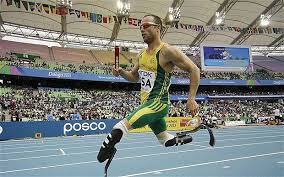
Born on November 22, 1986, Oscar Pistorius became famous for being the first double amputee to compete in the Olympics, showcasing his incredible skills on the track. However, his life took a drastic turn on February 14, 2013, when he shot and killed his girlfriend, Reeva Steenkamp, in what he claimed was a tragic case of mistaken identity. Following a highly publicised trial, Pistorius was convicted of culpable homicide in 2014 and sentenced to five years in prison. This sentence was later increased to 13 years upon appeal, as public opinion and legal expectations shifted towards accountability.
Life After Prison
Released on parole in 2021, Pistorius has sought to rebuild his life outside the confines of prison walls. His post-release activities have remained low-key, focusing on rehabilitation and the challenges faced by individuals with disabilities. While there have been ongoing discussions about his return to public life, many believe that the shadow of his past actions will forever haunt him. In interviews, Pistorius has expressed remorse for the tragic events, yet his attempts to engage with the public have met with mixed reactions.
Impact on Athletics and Society
Oscar Pistorius’s legacy is a complex one. He ignited hope and redefined possibilities for athletes with disabilities, inspiring many to pursue their dreams regardless of physical limitations. Nevertheless, the circumstances of his downfall raise pertinent questions regarding the treatment of high-profile athletes, the pressures they face, and the societal expectations placed upon them. His case sparked debates about gun violence in South Africa and the adequacy of legal protections for women. The dual narratives of triumph and tragedy continue to influence conversations around disability rights and societal justice.
Conclusion
The story of Oscar Pistorius serves as a powerful reminder of the fine line between success and downfall. As he navigates life beyond prison, his experience holds significant lessons about accountability, the importance of mental health support for athletes, and the ongoing battle against domestic violence. For the readers, understanding Pistorius’s journey sheds light on broader societal issues while questioning how we define the legacies of those we once celebrated. The complexities surrounding his story will likely provoke discussions for many years to come.