Prior Expectations
Before the recent match at the BNP Paribas Open in Indian Wells, Novak Djokovic was anticipated to continue his dominance in the tournament. Known for his resilience and ability to overcome physical challenges, Djokovic was expected to advance further, bolstered by his extensive experience and past performances.
The Decisive Moment
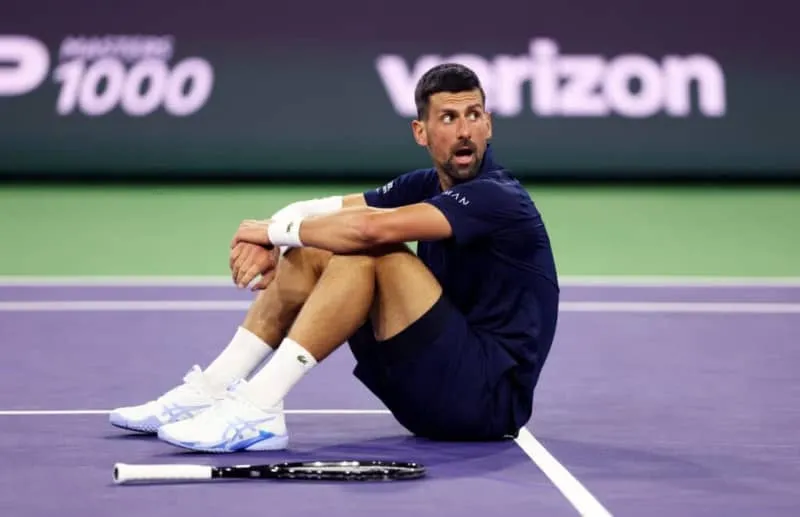
However, the match took a surprising turn when Djokovic faced Jack Draper, ultimately losing with a score of 4-6, 6-4, 7-6(5). Djokovic admitted that he ‘ran out of gas’ during the match, particularly after a physically draining 26-shot rally that he described as a turning point. This moment not only tested his endurance but also highlighted the impact of fatigue on his performance.
Immediate Effects
Djokovic’s defeat has immediate implications for his standing in the tournament and raises questions about his physical condition. During the match, he also experienced a stomach problem that affected his breathing, further complicating his ability to compete at his usual level. Despite feeling better towards the end of the third set, the earlier physical strain proved too significant to overcome.
Expert Perspectives
Experts in sports performance note that Djokovic’s experience reflects a broader truth in elite athletics: momentum can shift rapidly when physical energy wanes. His admission of fatigue underscores the challenges athletes face, even at the highest levels of competition. Djokovic’s history of battling through physical issues adds another layer to this narrative, as he has often managed to push through adversity in past matches.
Overall, Djokovic’s loss to Draper serves as a reminder of the unpredictable nature of sports, where even the most accomplished athletes can be vulnerable to the effects of fatigue and physical strain. As he reflects on this match, it will be crucial for him to address these challenges moving forward in his career.