The atmosphere was tense at the White House Correspondents’ Dinner when a 31-year-old teacher from Torrance, California, stormed the security perimeter. Minutes before the incident, he had emailed a manifesto to his family, revealing his intent to target members of the Trump administration.
As chaos unfolded, President Trump was evacuated. Fortunately, no injuries were reported. Security personnel apprehended the gunman within seconds, showcasing their preparedness in such dire situations.
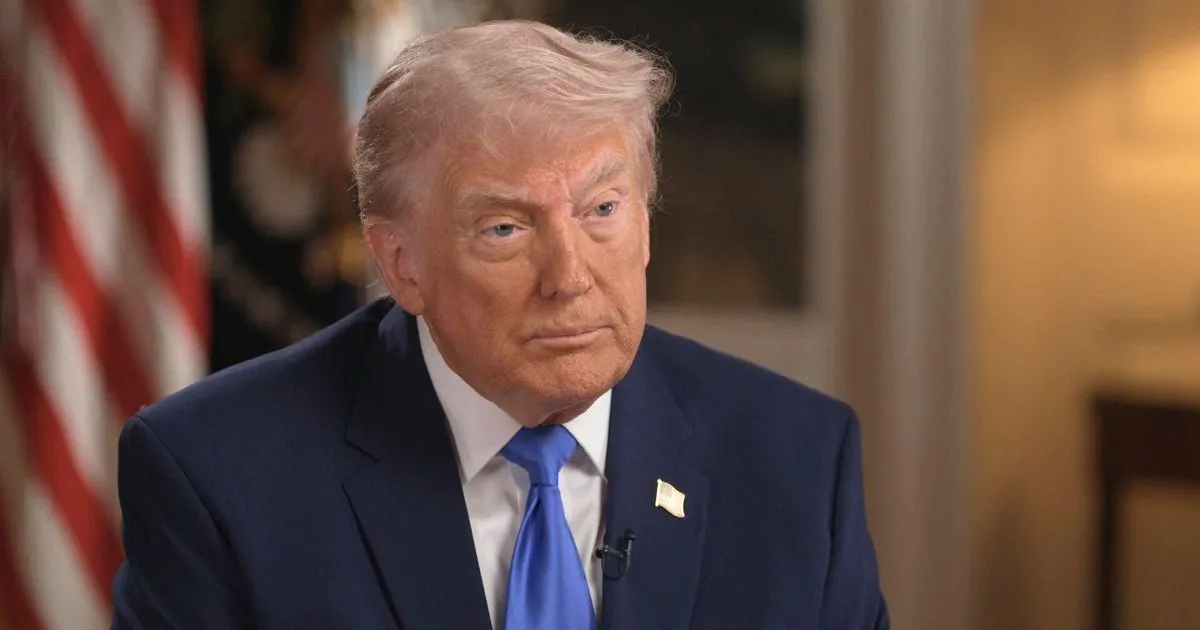
In the aftermath, Norah O’Donnell read excerpts from the gunman’s manifesto during a tense interview with President Trump. The reading sparked immediate backlash. President Trump didn’t hold back his criticism—”You shouldn’t be reading that on 60 Minutes. You’re a disgrace,” he stated emphatically.
Trump expressed his desire to continue the dinner event despite the harrowing experience. “I want them because I don’t want to see it be canceled,” he said, emphasizing his commitment to press freedom even amidst turmoil.
The gunman’s social media accounts revealed anti-Trump and anti-Christian rhetoric—further complicating the narrative around this incident. Still, Trump remarked on the incompetence of the assailant: “He was pretty incompetent too, because he got caught.”
This incident raises significant questions about security measures at public events and the responsibilities of journalists in reporting sensitive information. As discussions unfold, many wonder how this will affect future gatherings like the White House Correspondents’ Dinner.
Currently, President Trump hopes to reschedule the dinner within 30 days—indicating a desire to return to normalcy despite recent events. The incident serves as a stark reminder of ongoing issues surrounding gun violence in America.
As communities reflect on this situation, they grapple with its implications for press freedom and public safety. For many, it’s not just about one event but about ensuring safety for all involved in such gatherings moving forward.