What the data shows
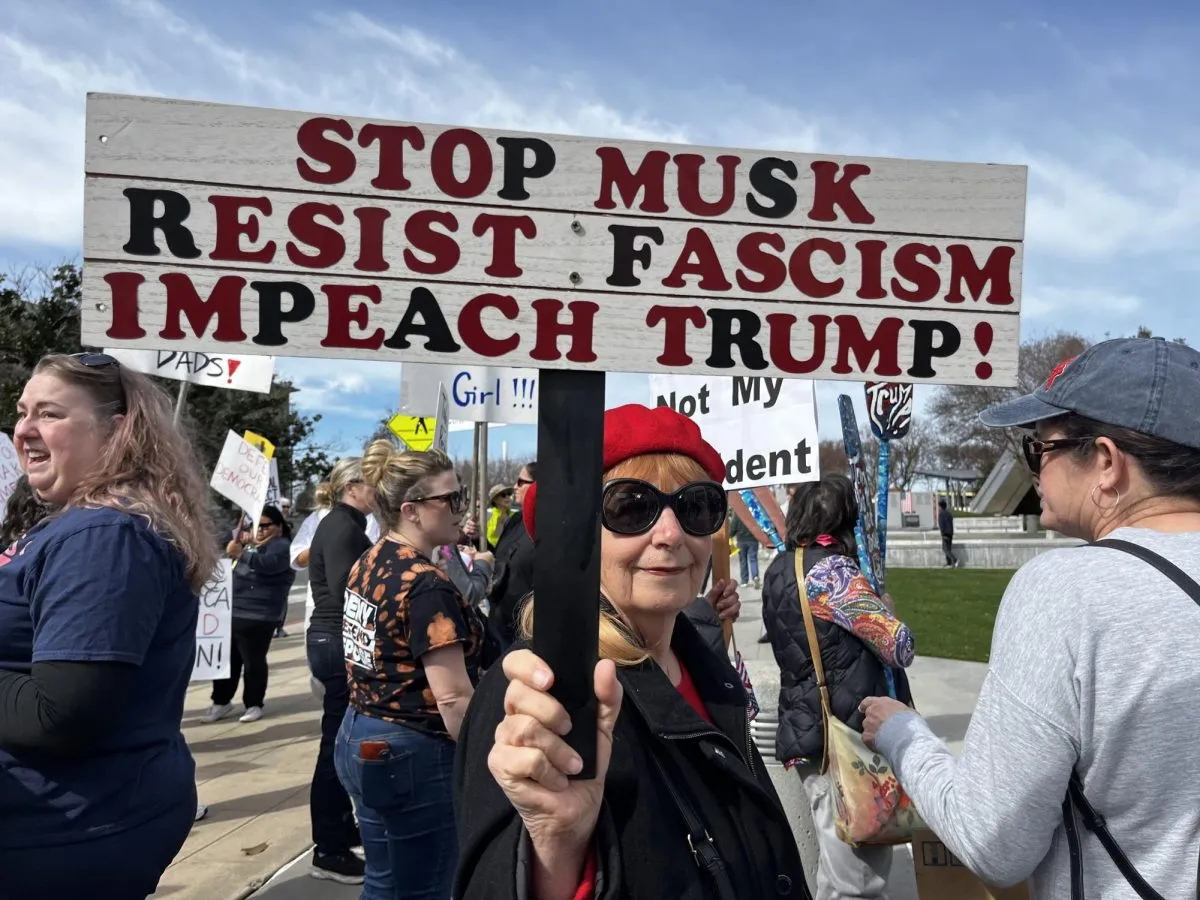
The question at the heart of the upcoming No Kings protests is simple yet profound: Can collective action truly challenge the perceived authoritarianism of the Trump administration? The answer, as evidenced by the mobilization of communities across the nation, appears to be a resounding yes. On March 28, 2026, thousands are expected to take to the streets in a day of nonviolent action, with events planned in the Houston area, Sonoma, and Napa counties of California.
The No Kings protests are not just isolated demonstrations; they represent a larger movement against what many see as corruption and authoritarianism in the current administration. This national day of action is anticipated to be the largest single-day mobilization in U.S. history, with over 320 events confirmed across California alone. In Sonoma County, grassroots organizations like Indivisible Sonoma County are spearheading the efforts, aiming to draw around 15,000 participants in the Santa Rosa event.
The origins of the No Kings movement trace back to late January 2025, when it was first proposed on Reddit as a response to the growing discontent with the Trump administration. Since then, it has evolved into a coalition-led resistance, with previous protests held on June 14 and October 18, 2025, attracting significant attention and participation. In fact, cumulative participation in 2025 reached an impressive 12 million individuals, showcasing the widespread desire for change.
Ezra Levin, a prominent figure in the movement, emphasized the urgency of the protests, stating, “With every ICE raid, every escalation abroad, and every abuse of power at home, Americans are rising up in opposition to Trump’s attempt to rule through fear and force.” This sentiment resonates deeply within communities, as individuals come together to voice their concerns and demand accountability.
Roxanne Goodfellow, another key organizer, encapsulated the spirit of the movement with her powerful words: “Joy is resistance.” This highlights the nonviolent nature of the protests, where communities are encouraged to express their dissent through peaceful means, fostering a sense of unity and hope.
As the date approaches, the excitement and anticipation among participants grow. The Santa Rosa event, in particular, is expected to be a vibrant display of community solidarity, with various activities planned to engage attendees and promote a positive message. Following the national day of action, the coalition intends to pivot towards local legislative advocacy and voter protection initiatives, aiming to sustain the momentum leading up to the 2026 midterm elections.
While the details of the protests are being finalized, uncertainties remain regarding the specific logistics and the overall impact of this large-scale mobilization. However, the commitment of community members to stand up against perceived injustices is clear. As the No Kings protests draw near, one thing is certain: the voices of the people will be heard, echoing through the streets of California and beyond, united in their call for a more just and equitable society.