Introduction
Renowned for its iconic ‘Swoosh’ logo and the slogan ‘Just Do It,’ Nike has established itself as a powerhouse in the global sportswear market. Founded in 1964, the company has continually pushed boundaries through innovation, marketing, and sustainability efforts. As sportswear becomes increasingly integral to lifestyle and fashion choices, understanding Nike’s strategies and market position is critical for consumers and investors alike.
Nike’s Recent Innovations
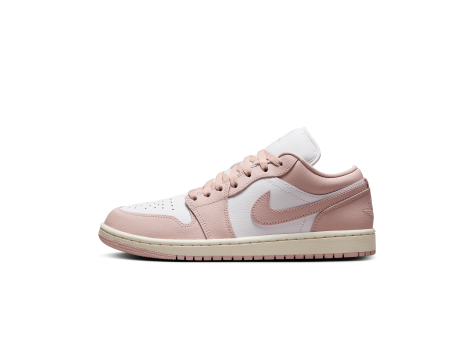
As of 2023, Nike has been at the forefront of innovation within the sportswear sector. The company has introduced advanced technology in footwear, including their Flyknit and Air cushioning systems, which enhance performance and comfort for athletes. Most recently, Nike launched a new line of eco-friendly shoes made from recycled materials, reflecting a growing trend towards sustainability in the industry. This approach not only appeals to environmentally conscious consumers but also aligns with the company’s commitment to reducing carbon emissions by 50% by 2030.
Market Performance and Growth
Nike’s recent quarterly reports reveal a robust performance in terms of sales and market expansion. As of Q2 2023, the company reported a 15% increase in revenue, largely driven by direct-to-consumer sales through its online platforms. This strategy allowed Nike to maintain strong connections with its customer base amid unpredictable retail conditions caused by the pandemic. Furthermore, expanding its presence in emerging markets such as India and Vietnam has been instrumental in sustaining its growth trajectory.
Challenges Ahead
While Nike’s market position appears strong, the company faces several challenges, including increased competition from brands like Adidas and Puma, as well as emerging players like Lululemon. Rising costs of raw materials and supply chain disruptions, partly due to ongoing global issues, pose additional challenges. Nike’s management has indicated a need to adapt rapidly to these market shifts and consumer preferences to maintain its leadership position.
Conclusion
In conclusion, Nike’s strategic focus on innovation, sustainability, and customer engagement continues to solidify its status as a leader in the sportswear market. While challenges lie ahead, the company’s proactive approach in addressing industry shifts suggests it is well-prepared to navigate the complexities of the modern retail landscape. As consumers increasingly seek both performance and sustainability in their athletic wear, Nike’s ability to meet these demands will be crucial for its continued success.



