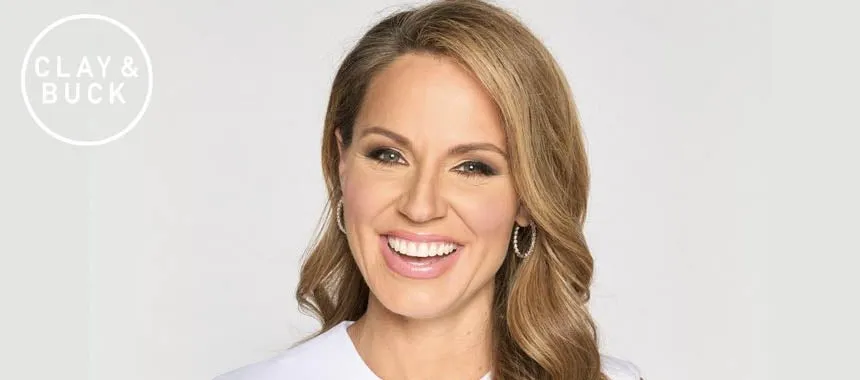
President Trump has nominated Dr. Nicole Saphier as the next U.S. surgeon general after withdrawing the nomination of Casey Means, whose confirmation faced significant Senate opposition. This shift marks a notable change in the administration’s approach to public health leadership.
Before this announcement, many expected Dr. Casey Means to take on the role. Her nomination had generated considerable discussion, particularly due to her controversial views on vaccines and health policy.
The decisive moment came when Trump’s previous nominee, Dr. Means, encountered substantial pushback during her confirmation hearing on February 25, 2026. Senator Bill Cassidy’s opposition led to Trump’s frustration, prompting him to withdraw Means’ nomination.
In contrast, Dr. Saphier brings a wealth of experience as a breast radiologist and director of breast imaging at Memorial Sloan Kettering Cancer Center-Monmouth. She previously contributed to Fox News and authored a book critiquing the U.S. response to the Covid-19 pandemic.
Trump praised Saphier’s qualifications, stating, “Nicole is a STAR physician who has spent her career guiding women facing breast cancer through their diagnosis and treatment.” He further noted her exceptional ability in health communication, saying she is an “INCREDIBLE COMMUNICATOR” who simplifies complex health issues for Americans.
Saphier’s advocacy for early cancer detection aligns with pressing health needs in the country today. Her involvement with the MAHA Movement, which focuses on health improvement strategies, highlights her commitment to addressing critical health challenges.
The shift from Means to Saphier reflects broader concerns about effective leadership in public health amid ongoing debates about vaccines and overall healthcare policy. As Saphier steps into this new role, she faces expectations not only from the administration but also from various health communities across the nation.
While Casey Means remains committed to her advocacy work within the MAHA Movement, her medical license has become inactive as she transitions toward a focus on functional medicine.
This nomination could reshape discussions around public health communication strategies—especially regarding women’s health and cancer prevention initiatives—at a time when clarity and trust are essential.