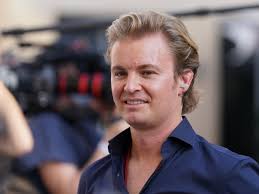
Introduction to Nico Rosberg
Nico Rosberg, a name synonymous with Formula 1 racing, is revered not only for his remarkable achievements on the track but also for his contributions to the sport’s evolution. As the 2016 Formula 1 World Champion, Rosberg’s significance transcends his victory, influencing both the racing community and fans worldwide.
Career Overview
Birthed into a motorsport family on June 27, 1985, in Wiesbaden, Germany, Nico’s journey into racing began early. He raced in various karting championships before entering Formula 1 with the Williams team in 2006. Over the years, he transitioned to Mercedes, where he would ultimately find prolonged success. Throughout his career, Rosberg secured 23 Grand Prix wins and showcased his tireless work ethic and strategic mindset.
2016 Championship Win
Perhaps the pinnacle of his career came in 2016 when he clinched the World Championship title after a fiercely competitive season against teammate Lewis Hamilton. The championship battle highlighted Rosberg’s tactical brilliance and adaptability, ultimately leading him to victory. This triumph was a culmination of years of hard work, and it marked a significant moment in motorsport history, as Rosberg became a rare champion who chose to retire at the peak of his career.
Post-Retirement Influence
Since retiring, Rosberg has remained deeply involved in the motorsport community. Notably, he has taken on roles as a commentator and pundit, where he shares insights from his experience with both racing fans and aspiring drivers. Additionally, his commitment to sustainability within motorsport has garnered attention; he established the Rosberg X Racing team, which competes in the Extreme E series, highlighting the importance of eco-friendly practices in racing.
The Legacy of Nico Rosberg
Nico Rosberg’s impact on Formula 1 extends beyond his records and victories. He has become a role model for young drivers and advocates for sustainability in a sport often criticized for its environmental footprint. As the motorsport world evolves, his insights into driver mental health and the balance between competition and personal well-being continue to be valuable.
Conclusion
The legacy of Nico Rosberg in Formula 1 is carved into the very fabric of the sport. His career serves as an inspiration for up-and-coming racers, while his post-retirement contributions shape a more sustainable future for motorsport. As fans look to the future, Rosberg’s influence is likely to be felt for many seasons to come, making his journey a compelling topic in the ever-changing landscape of Formula 1 racing.