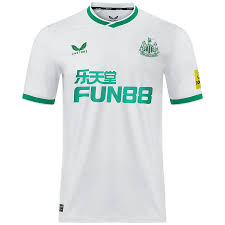
Importance of Newcastle United in Football
Newcastle United Football Club, commonly known as NUFC, plays a pivotal role in English football, boasting a rich history dating back to its founding in 1892. Based in the heart of Newcastle upon Tyne, the club has a loyal fanbase and a storied legacy in the Premier League. The 2023 season marks a critical juncture for NUFC as it undergoes a dramatic transformation following a change in ownership and significant investments.
Recent Developments and Achievements
In October 2021, a consortium led by the Public Investment Fund of Saudi Arabia acquired Newcastle United, sparking widespread excitement. Since this takeover, the club has fortified its squad with high-profile signings aimed at elevating their competitive standing. As of the 2023 season, NUFC has been consistently challenging for European qualification spots, a significant achievement compared to their struggles in recent years.
The current manager, Eddie Howe, has been instrumental in the club’s resurgence, bringing tactical innovation and an invigorating style of play. The 2022-2023 season saw Newcastle United finish in the top four of the Premier League, securing a spot in the UEFA Champions League. This achievement not only boosts the club’s profile but also reflects its aspiration to return to the upper echelons of European football.
Community and Cultural Impact
NUFC’s influence extends beyond football and into the community, where it remains a vital part of Newcastle’s cultural identity. The club has initiated various community outreach programmes aimed at supporting local causes and engaging with its fanbase through charity events and educational initiatives. The fans, often referred to as the lifeblood of the club, contribute to an electrifying atmosphere at St James’ Park, making matchdays a unique experience.
Future Prospects and Significance
Looking ahead, the prospects for Newcastle United are bright. With continued investment in player development and facility upgrades, the club aims to establish itself as a formidable force in both domestic and European competitions. The strategic direction taken by the current ownership suggests a focus on sustainable growth, emphasizing the importance of building a balanced squad capable of competing at the highest levels.
In conclusion, Newcastle United’s transformation signifies more than just improved performances on the pitch; it represents a turning point in the club’s history, intertwining hope, ambition, and community spirit. Fans and analysts alike will be watching closely as NUFC strives for success in the coming years, hoping to reclaim its status as one of England’s footballing giants.