Introduction
The Renters Rights Bill Law is a significant piece of legislation currently being discussed in the UK Parliament, focusing on enhancing the rights and protections for renters. As the housing market becomes increasingly challenging, particularly for young people and low-income families, understanding this bill is crucial for anyone involved in tenancies. The proposed changes could greatly impact tenant security, stability, and landlord responsibilities.
Key Provisions of the Renters Rights Bill
The Renters Rights Bill aims to tackle several critical issues faced by renters today. Key provisions include:
- Longer Notice Periods: Landlords will be required to provide longer notice periods before ending a tenancy, moving from two months to three months in most cases, offering tenants greater security.
- Banning No-Fault Evictions: The government plans to eradicate no-fault evictions, whereby landlords can evict tenants without a valid reason, which often leaves renters vulnerable.
- Regulations on Rent Increases: The bill proposes limiting the frequency and amount by which landlords can increase rent, ensuring that tenants are not subjected to sudden and unaffordable hikes.
- Enhanced Energy Efficiency Standards: Landlords will be required to meet minimum energy efficiency standards for rental properties, promoting healthier living conditions and reducing energy costs for tenants.
Current Status and Future Outlook
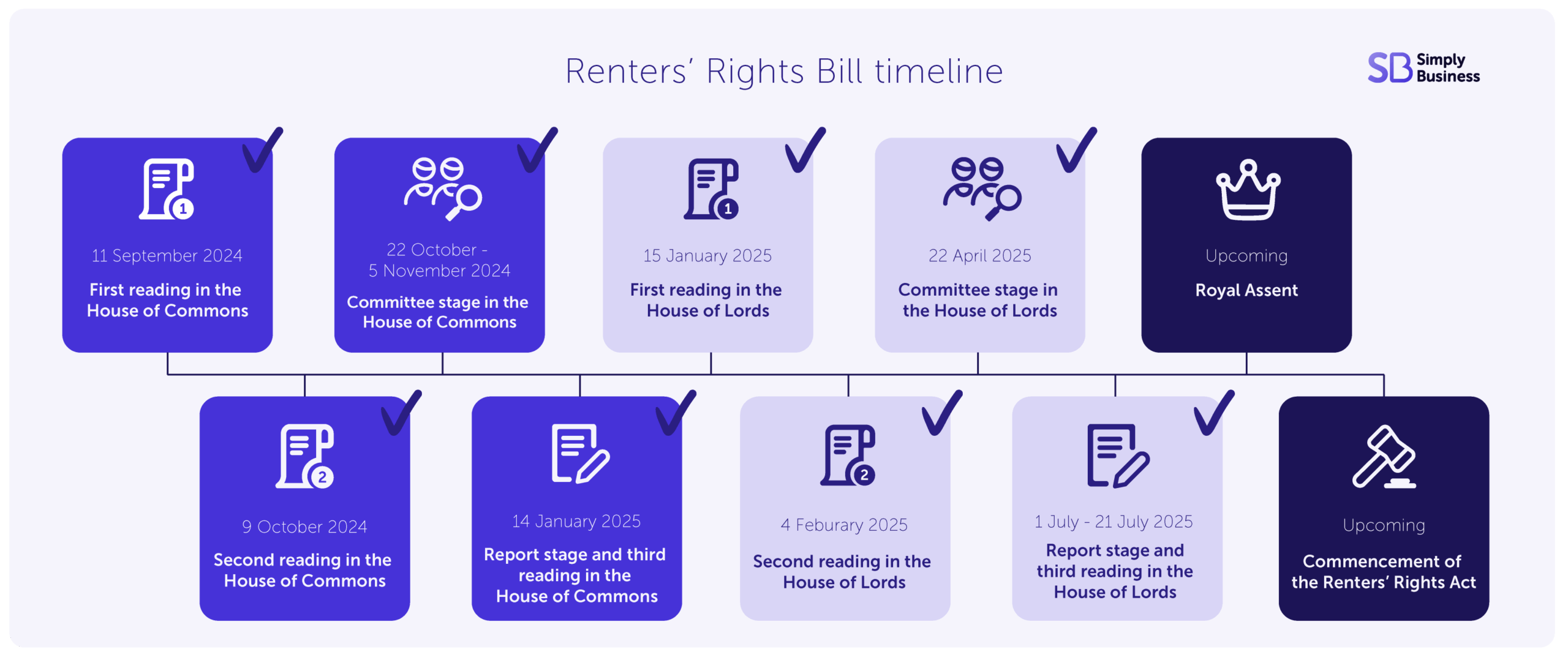
As of early 2023, the Renters Rights Bill is progressing through parliamentary discussions, with various stakeholders including tenant advocates, landlords, and policy experts weighing in on its implications. The government aims to ensure that the legislation balances the needs of both tenants and property owners as it moves towards enactment.
With widespread public interest in housing issues, there is significant pressure on the government to pass the bill swiftly. Tenant rights groups have expressed optimism, noting that these changes are long overdue and essential for fostering a more equitable rental market. Many predict that the successful passage of the Renters Rights Bill could lead to further reforms in housing policy and the rental market.
Conclusion
The Renters Rights Bill Law represents an important shift towards better tenant protections and a fairer rental landscape in the UK. As discussions continue in Parliament, renters and landlords alike should stay informed about potential outcomes. Increased awareness about renters’ rights could empower tenants to advocate for themselves effectively, ensuring they receive fair treatment in their homes. The future of this bill may very well reshape the rental landscape, providing much-needed security for millions across the UK.