Introduction
In recent years, Netflix has not only revolutionised the world of entertainment but has also emerged as a compelling case study on stock performance in the volatile tech sector. With subscription growth undergoing significant fluctuations and the company navigating an increasingly competitive landscape, the performance of Netflix stock remains a focal point for investors and analysts alike. Understanding the trending behaviours of Netflix stock is crucial for stakeholders looking to make informed financial decisions.
Current Stock Performance
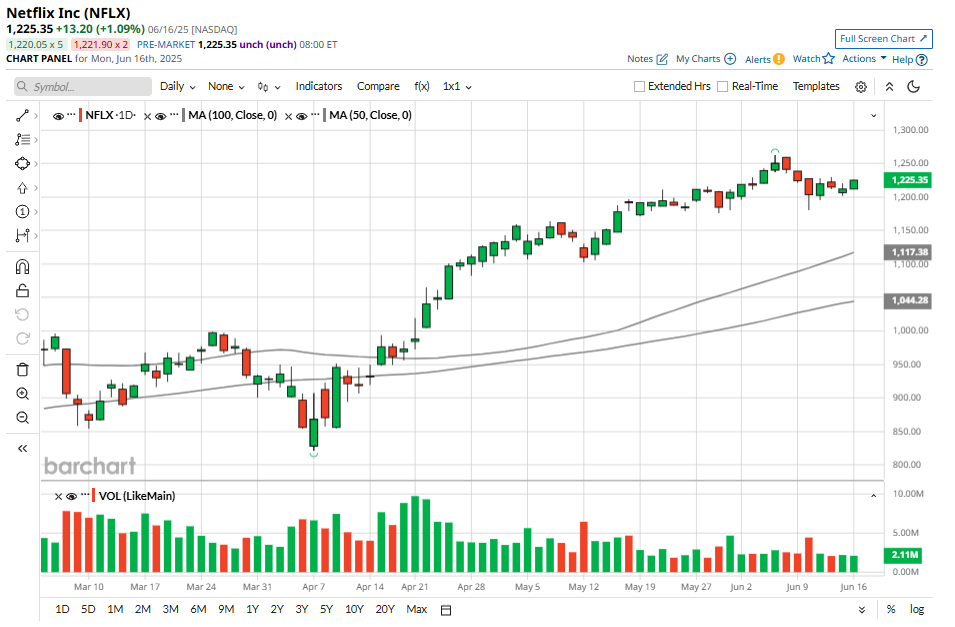
As of October 2023, Netflix’s stock has shown notable resilience despite the challenges posed by various market dynamics. After experiencing a dramatic dip earlier in the year, the stock has rallied by approximately 25% in the third quarter alone, primarily driven by a robust subscriber growth reported in their latest earnings call.
Investors were heartened to learn that Netflix managed to add 8.4 million new subscribers globally, with particularly strong growth in international markets. In addition, the announcement of new content partnerships and the expansion into live sports has helped to bolster investor confidence.
Market Developments and Challenges
However, Netflix continues to face several challenges that could impact future stock performance. The streaming giant competes with a plethora of platforms, including Disney+, Amazon Prime Video, and HBO Max, all vying for viewer attention and market share. To maintain its lead, Netflix has begun adopting an advertising-supported subscription model, aiming to capture a wider audience.
This strategic pivot has been met with mixed reviews, with some analysts suggesting that while it could provide an additional revenue stream, it may also alienate current subscribers who prefer an ad-free experience. Moreover, rising production costs and economic pressures may further complicate Netflix’s financial landscape moving forward.
Future Outlook
Looking ahead, analysts project that Netflix stock could see continued variation based on its ability to innovate and adapt to market changes. Predictions suggest a cautiously optimistic trend, with growth estimates of around 15% in subscriber numbers over the next year as new shows and live offerings come to fruition. However, it is essential to consider external market influences—macroeconomic conditions could majorly affect consumer spending on entertainment subscriptions.
Conclusion
The trajectory of Netflix stock in 2023 highlights the complexities of investing in a fast-paced, competitive market. As the company seeks to bolster its offerings and secure a competitive advantage, stakeholders should remain vigilant and informed on evolving trends and strategies. With its innovative approach and adaptive strategies, Netflix’s stock may very well continue to be a focal point of interest for both seasoned investors and newcomers alike.