Introduction
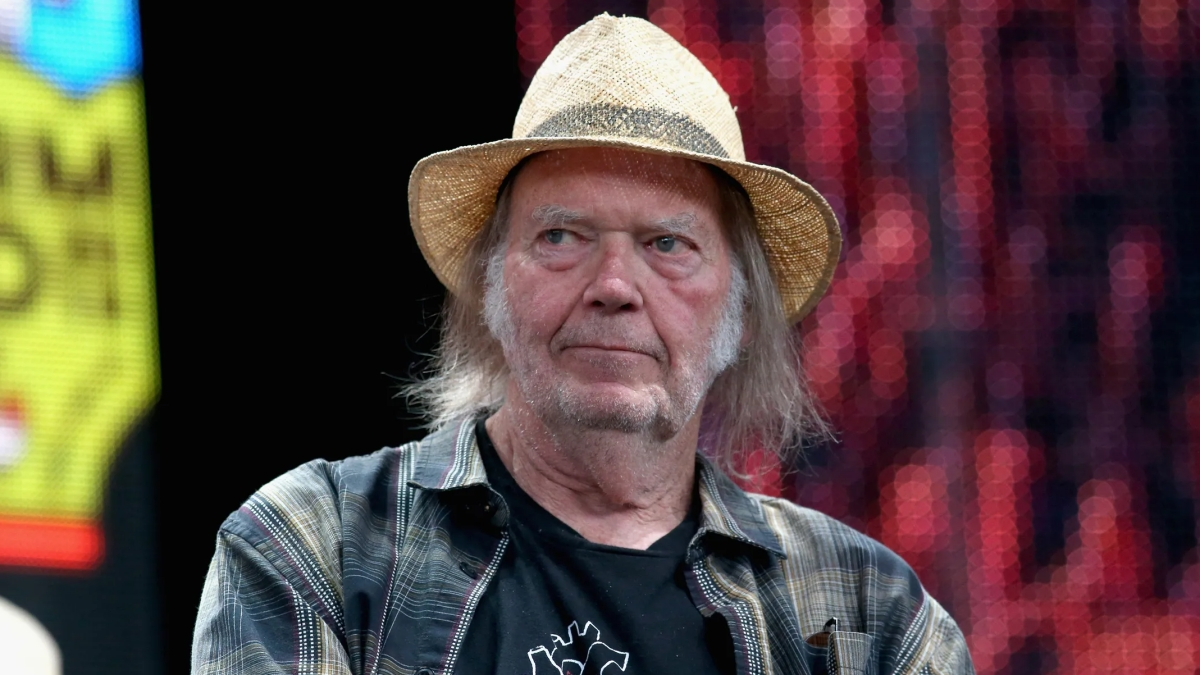
Neil Young, a name synonymous with innovation and creativity, has shaped the music landscape for over five decades. Known for his distinctive voice, profound lyrics, and eclectic musical style, Young remains a significant influence in the industry. His integration of rock, folk, and country, along with his passion for social and environmental activism, make his contributions both relevant and essential in today’s cultural discourse.
A Glimpse into Neil Young’s Career
Born on November 12, 1945, in Toronto, Canada, Neil Young made his music debut in the 1960s, quickly garnering acclaim as a leading figure in the folk-rock movement. His early work with Buffalo Springfield resulted in timeless hits like “For What It’s Worth,” reflecting the political climate of the time.
As a solo artist, Young released influential albums such as “Harvest,” which featured classics like “Heart of Gold.” His ability to transition between genres set him apart from contemporaries and helped establish a diverse discography. Throughout his journey, collaborations with various artists, including Crosby, Stills, Nash & Young and other rock legends, have further cemented his reputation.
Activism and Social Impact
Beyond music, Neil Young is known for his fervent activism. He has championed numerous causes, including environmental sustainability and Indigenous rights. His 2019 album, “Paradox,” not only showcased his musical prowess but also served as a platform to address climate change concerns. Young’s commitment to various social issues demonstrates the extent to which he merges his art with activism, resonating with fans who appreciate an artist willing to use their voice for good.
Current Events and Legacy
Recently, Young has continued to engage with the public through social media, sharing insights on music, politics, and his beloved model automobiles. His recent tour has drawn widespread attention and acclaim, with sold-out shows highlighting his undiminished popularity. As he approaches his 80th birthday, Neil Young’s ability to connect with both older fans and newer generations remains a testament to his universal appeal.
Conclusion
Neil Young’s legacy is immeasurable, spanning generations and inspiring countless artists. His blend of musical exploration with impactful activism showcases the transformative power of art. As he continues to evolve, fans and critics alike are left to wonder what this legendary musician will do next, but one thing is certain—Neil Young’s influence will endure long into the future. For music lovers, his story is a reminder of the ongoing dialogue between art and activism, highlighting the potential for music to drive social change.