Introduction
Russia has been at the forefront of international news in recent years, with its political maneuvers significantly impacting global relations. As tensions with Western nations rise, understanding the complexities of Russia’s political landscape becomes crucial for both policymakers and citizens worldwide. The ongoing conflict in Ukraine, sanctions imposed by the West, and Russia’s role in global energy markets are just a few factors that highlight the country’s relevance on the world stage.
Current Events in Russia
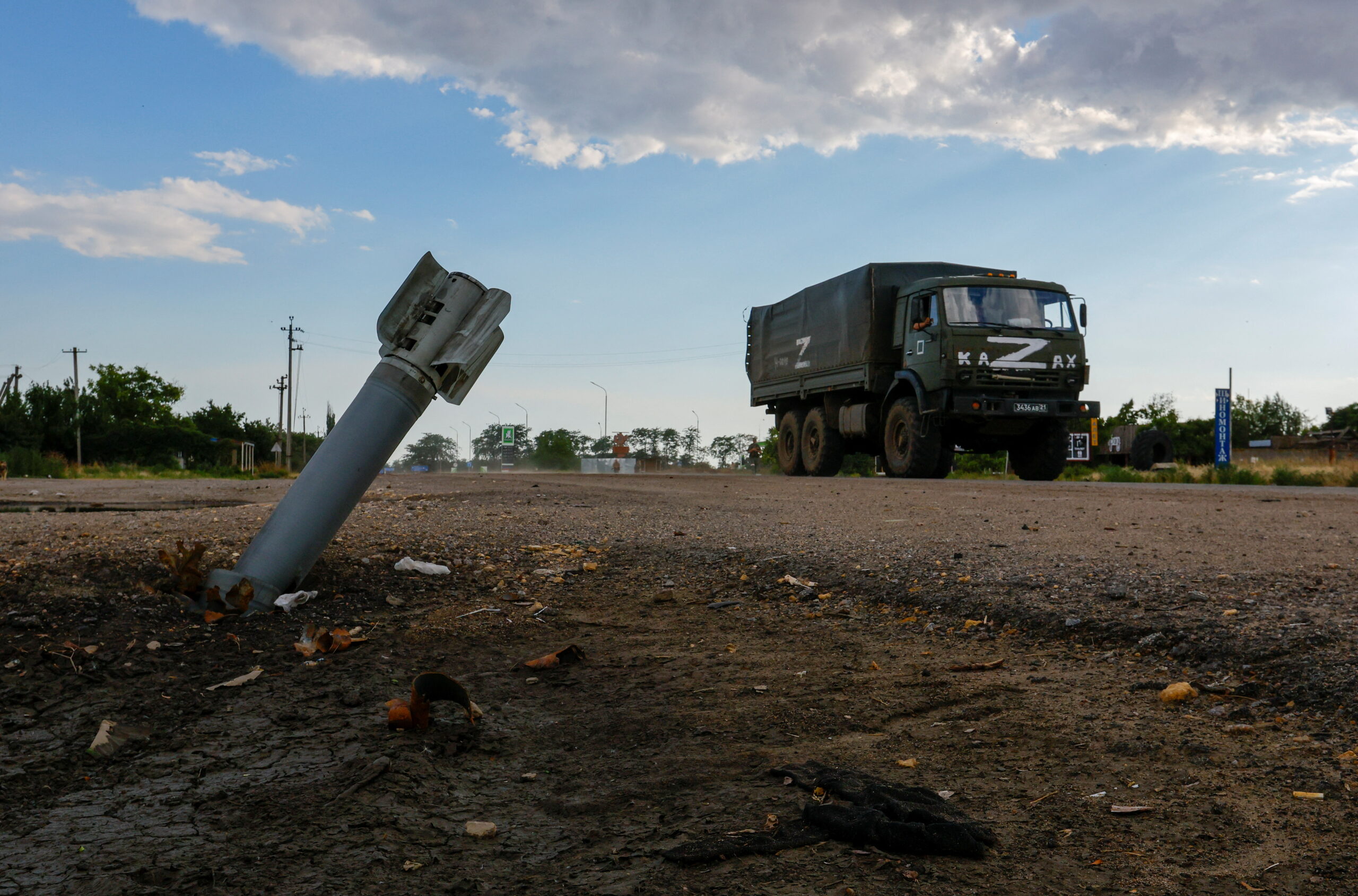
The conflict in Ukraine has escalated tensions between Russia and NATO countries since it began in early 2022. In September 2022, Russia held referendums in occupied regions of Ukraine, which the international community largely dismissed as illegal. This annexation further strained diplomatic relations and prompted a new wave of sanctions against Russia from the United States and European Union.
Domestically, Russian President Vladimir Putin has faced increasing scrutiny and dissent, particularly regarding the heavy toll the war is taking on the Russian economy and society. The sanctions have crippled many industries and led to a decline in living standards for ordinary Russians. Despite this, Putin’s administration maintains a strong grip on power, with opposition voices largely silenced and controlled by state media.
International Implications
Russia’s geopolitical maneuvers are not only confined to its borders. The country’s actions have led to a realignment of global alliances. Countries like China and India have taken cautious stances, balancing their diplomatic and economic interests with Russia while avoiding direct confrontation with Western powers. This dynamic raises questions about the future of global governance and international stability.
Conclusion
The significance of the current political climate in Russia cannot be overstated. As Russia continues to assert its influence internationally, it is essential for nations to respond thoughtfully to the evolving situation. Analysts suggest that the outcomes of these developments could alter the course of international relations for years to come, making it crucial for readers to stay informed about Russia’s actions and the global reaction to them. Ultimately, understanding this complex political climate is vital not only for policy discussions but also for fostering informed public discourse around global issues.