Introduction
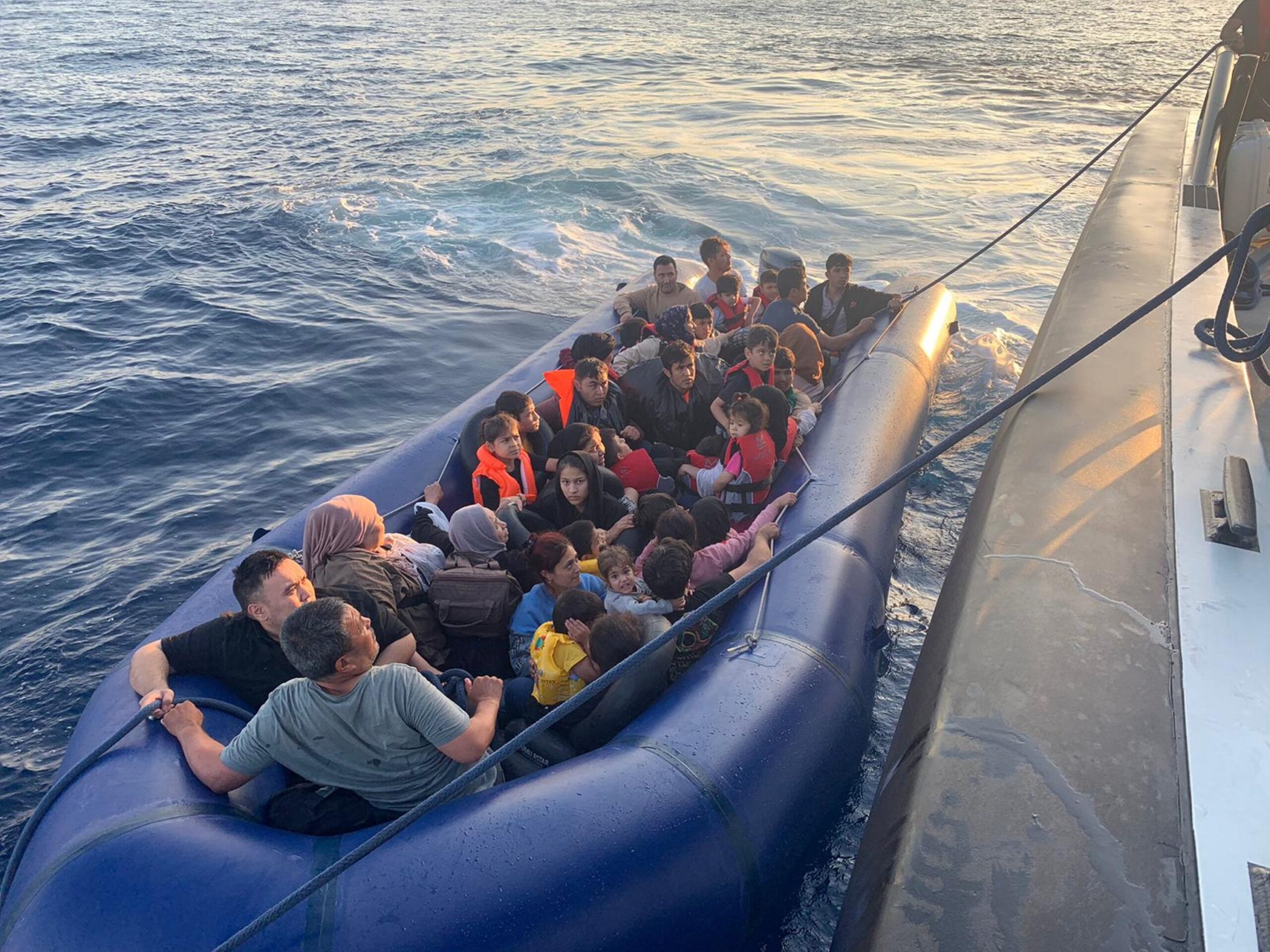
The migration crisis in Greece has drawn global attention, primarily due to the influx of migrants and refugees arriving by boat from various conflict zones. Often made perilous by the treacherous Mediterranean Sea, these journeys have underscored the humanitarian issues surrounding migration in Europe.
Recent Developments in Migration
As of late 2023, Greece continues to face significant challenges concerning migrant boats, with thousands arriving on its shores each month. According to the Hellenic Coast Guard, there has been a noticeable increase in the number of boats attempting to reach Greek islands, particularly Lesbos and Samos, from Turkey. In September alone, over 2,000 migrants made the dangerous crossing, highlighting the urgent need for a cohesive response to this ongoing crisis.
Local authorities, NGOs, and international organisations have expressed concern regarding the living conditions in refugee camps, where overcrowding has become an alarming issue. Reports indicate that many migrants are left without adequate shelter, food, and healthcare, exacerbating their vulnerabilities.
Government Response and International Reactions
The Greek government has been implementing stricter immigration policies aimed at controlling the flow of arrivals and enhancing border security. However, this has led to tensions with humanitarian groups that argue for the rights and dignity of migrants. Recently, the Greek Minister for Migration and Asylum proposed additional funding to improve conditions in reception centres, an initiative welcomed by various advocacy groups but criticized for not being sufficiently comprehensive.
International reactions have varied widely. While some European nations have pledged support to bolster Greece’s efforts, others remain reluctant to share the burden of refugee resettlement, leading to a lack of solidarity within the EU. The issue has reignited debates about the effectiveness of the EU’s immigration policies and the need for a long-term strategy.
Conclusion
The situation with Greece’s migrant boats remains critical as both humanitarian concerns and political tensions persist. As winter approaches, the need for immediate action to address the basic needs of migrants becomes even more pressing. Proactive involvement from both the Greek government and EU members will be essential in mitigating this ongoing humanitarian crisis. The path ahead involves not only safeguarding the rights of those seeking refuge but also ensuring that the response is sustainable and humane, to foster long-term solutions to the challenges posed by irregular migration across the Mediterranean.