Introduction
OJ Simpson, a name that resonates with various narratives ranging from sports hero to a figure embroiled in one of the most publicised criminal trials in American history, continues to evoke interest and debate. His life story, characterised by remarkable feats in football and subsequent notoriety in the legal sphere, highlights complex issues surrounding race, celebrity culture, and justice in America. As the 25th anniversary of his trial approaches, understanding his legacy and its implications is more relevant than ever.
The Rise to Fame
Born on July 9, 1947, in San Francisco, California, Orenthal James “OJ” Simpson first achieved fame as a running back in the National Football League (NFL). He played for the Buffalo Bills and the San Francisco 49ers, earning the title of the first player to rush for over 2,000 yards in a single season in 1973. His sports career laid the foundation for a successful transition into acting, where he became a well-known personality in films and television throughout the 70s and 80s.
The Infamous Trial
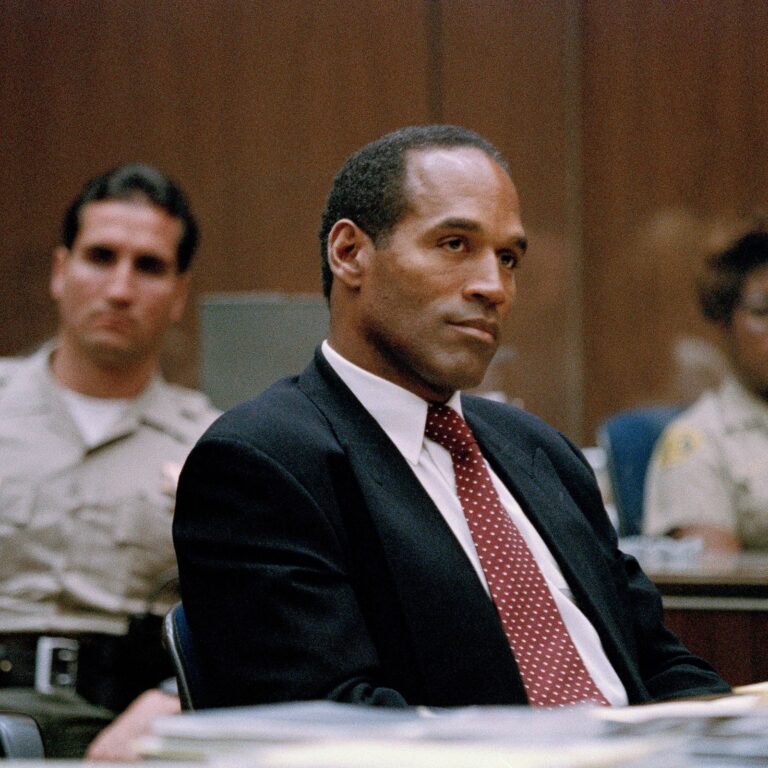
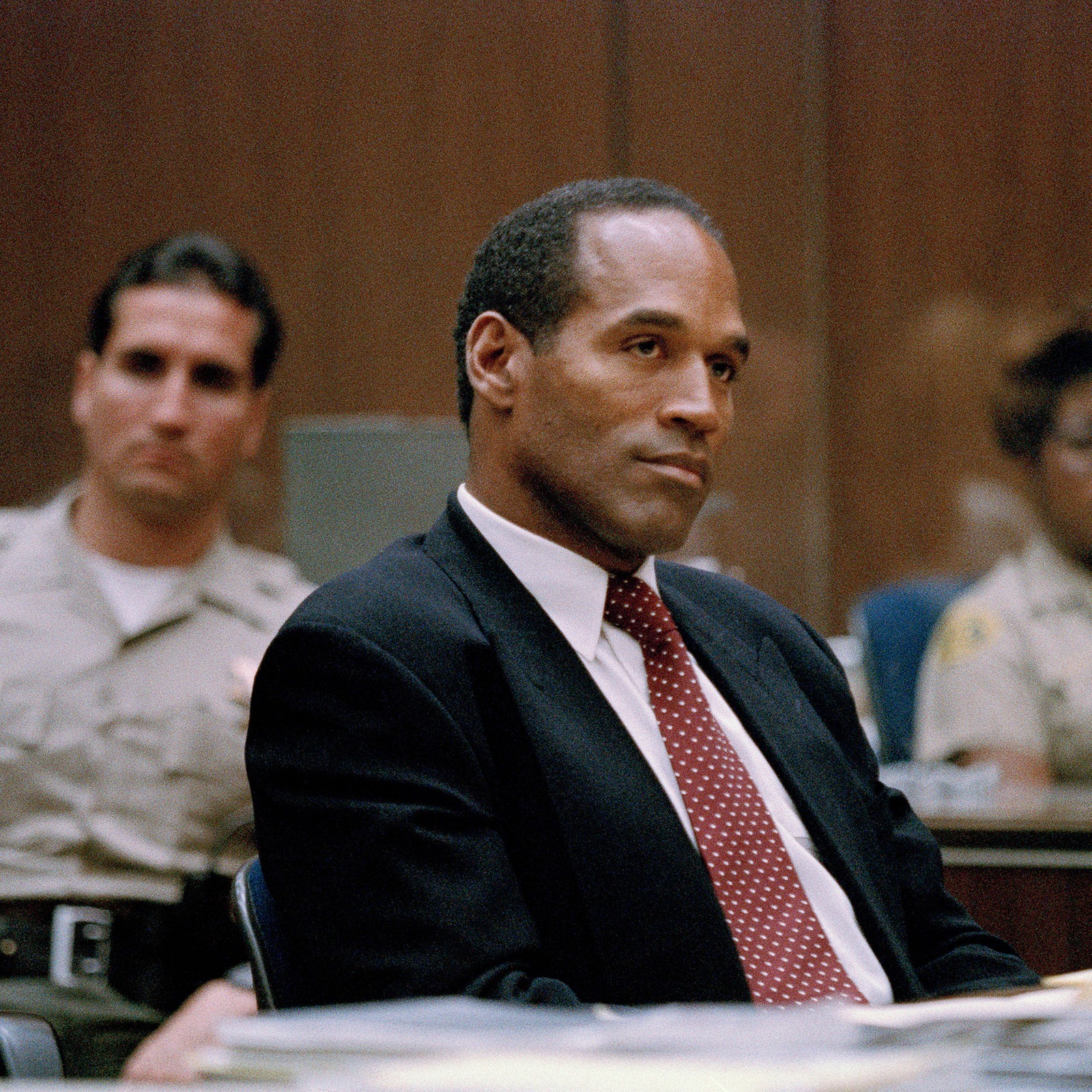
However, it was Simpson’s involvement in the murder of his ex-wife Nicole Brown Simpson and her friend Ron Goldman that marked a turning point in his life. In June 1994, both were found dead outside Brown’s home. The ensuing pursuit of Simpson by police, famously broadcasted via helicopter, became a national spectacle. The trial began in 1995 and continued for nearly a year, drawing massive media attention and sparking intense discussions on race relations in America.
Simpson was acquitted of the murder charges, a verdict that still divides public opinion sharply today. In civil court, he was found liable for the wrongful deaths and ordered to pay substantial damages to the victims’ families. This duality of legal outcomes reflects ongoing debates about justice and accountability, especially involving racial dynamics.
Recent Developments
In the years following the trial, Simpson’s public image has seen fluctuating perceptions. His release from prison in 2017 after serving a sentence for armed robbery drew mixed reactions, with some viewing him as a pariah while others expressed sympathy. Furthermore, his continued presence in the media, through interviews and social media, has renewed public discourse about his past.
Conclusion
OJ Simpson’s story is a cautionary tale of fame and infamy. His transition from a celebrated sports figure to a controversial celebrity serves as a reminder of the complex interactions between race, violence, and the American legal system. As audiences reflect on his life amid the evolving cultural landscape, Simpson remains a critical figure for discussions about justice and societal values. The legacy of OJ Simpson continues to shape perceptions of race and celebrity, leaving many to speculate on what the future holds for this controversial figure and how history will ultimately judge him.