Introduction
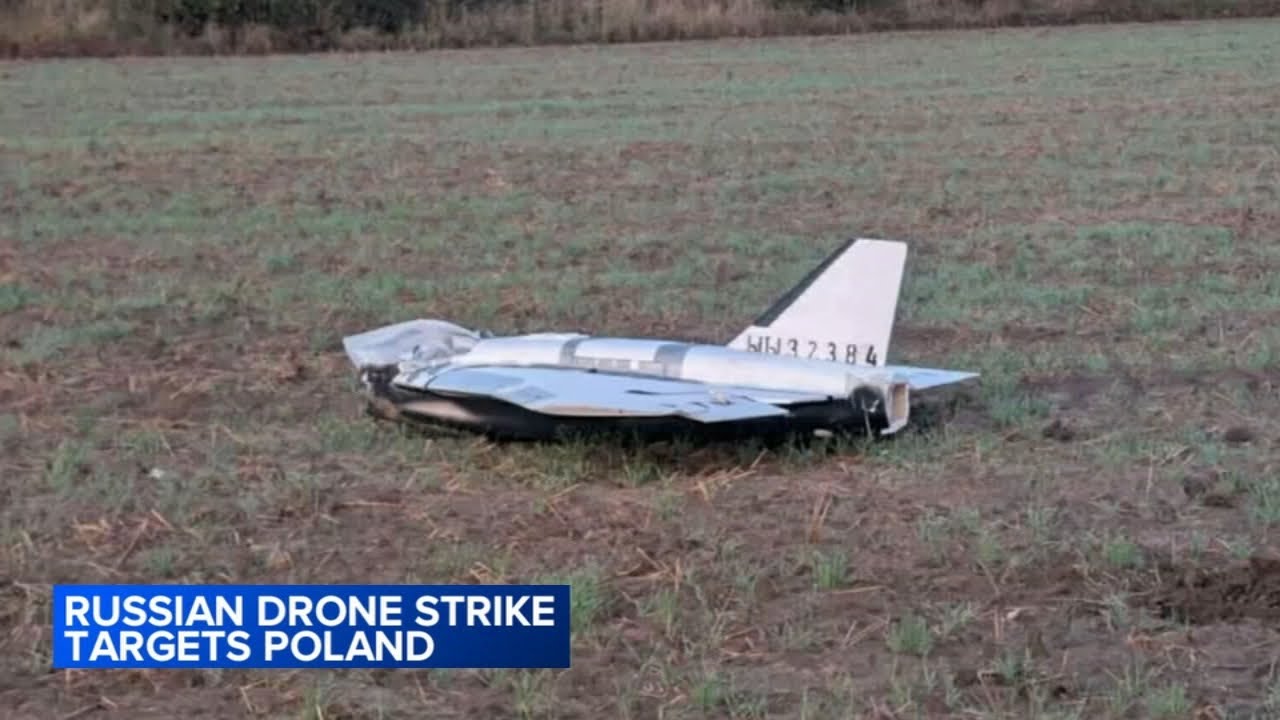
The increasing frequency of Russian drone activities near NATO’s eastern flank, particularly in Poland, has become a significant concern for regional security. As tensions between NATO and Russia appear to escalate amid ongoing geopolitical conflicts, the situation underscores the necessity for heightened vigilance and strategic responses from the alliance.
Russian Drone Activities
Recent intelligence reports indicate a surge in the deployment of Russian drones in Eastern Europe, with several incidents reported in close proximity to Poland’s borders. NATO officials have expressed alarm over these developments, signifying Moscow’s potential intentions to test the resilience and defensive capabilities of NATO member states.
NATO’s Strategic Response
In light of the increasing threats, NATO has convened emergency meetings to evaluate and enhance its defensive posture in Poland. Enhanced air surveillance operations and the bolstering of air defence systems are under consideration to mitigate the risks associated with hostile drone incursions. The alliance is also exploring measures to develop advanced technologies to counteract drone threats effectively.
Poland has been proactive in fortifying its military capabilities and has requested increased support from NATO partners. This includes the potential deployment of additional troops and heightened military exercises aimed at ensuring a robust deterrent against any aggressive actions by Russia.
Broader Implications
The implications of Russian drone operations are profound, affecting not only Poland but the entire NATO alliance. Increased military activities in this region could lead to greater instability and a potential escalation of military tensions in Eastern Europe. For NATO, the situation calls for unity and a clear strategy to counter any threats posed by asymmetrical warfare tactics employed by Russia.
Conclusion
The developments regarding Russian drones in Poland reinforce the ongoing complexities in NATO-Russia relations. As NATO continues to adapt to modern warfare challenges, the alliance’s commitment to collective defence remains steadfast. Given the nature of regional security threats, predicting the future trajectory of this situation is challenging, yet it is evident that NATO’s response will be crucial in safeguarding peace and stability in Eastern Europe.