Introduction
The ongoing conflict between Russia and Ukraine has escalated tensions not only in Eastern Europe but across the globe. With increasing reports of Russian drone activity, NATO has deemed it essential to address the security implications for member states, particularly Poland. This response underscores the alliance’s commitment to collective defence and reassurance in light of changing military dynamics in the region.
Rising Drone Activity
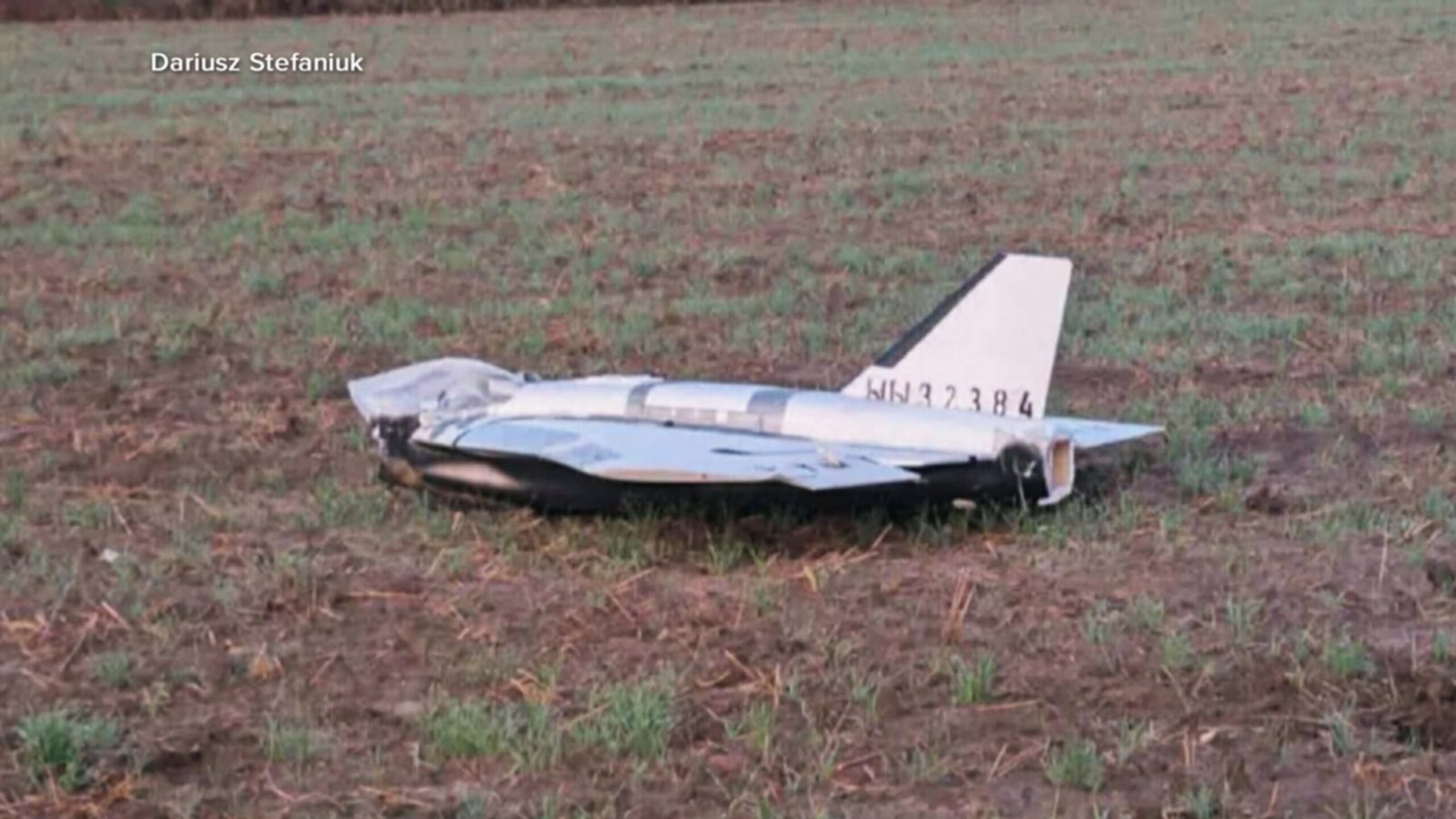
Recent intelligence reports indicate a significant rise in the use of drones by Russian forces in the context of the Ukraine conflict. These unmanned aerial vehicles (UAVs) have been employed for reconnaissance and strikes, providing Russia with a new tactical advantage. As such threats loom, Polish officials have expressed heightened concerns over the security of their borders, prompting NATO to take preventive measures.
NATO’s Strategic Response
In response to these developments, NATO has proposed strengthened air defence systems in Poland and along its eastern flank. This involves the deployment of advanced NATO missile defence systems as well as increased surveillance capabilities to monitor drone activity. Furthermore, NATO has confirmed that joint military exercises, including air drills, will be conducted to improve interoperability among member nations and response readiness.
Political and Military Implications
Poland, which shares a direct border with Ukraine, has become a pivotal player in NATO’s Eastern European strategy. The nation has seen increased military presence from NATO allies in an effort to reassure Polish citizens and discourage potential aggression. The Polish government has also announced plans to bolster its own defence systems, including acquiring advanced drones and anti-drone technologies to safeguard its airspace.
Conclusion
The ongoing risk presented by Russian drones poses a significant challenge not only for Poland but for the entire NATO alliance. The collective efforts and strategies being implemented illustrate NATO’s commitment to protecting its member states and maintaining stability in the region. As tensions continue to evolve, NATO’s adaptive strategies will be essential for ensuring security across Eastern Europe, making it crucial for all involved to remain vigilant and prepared for any potential threats.
As Poland navigates this complex security landscape, the cooperation among NATO allies will be instrumental in deterrence and crisis management in the face of ongoing Russian hostilities.