Introduction
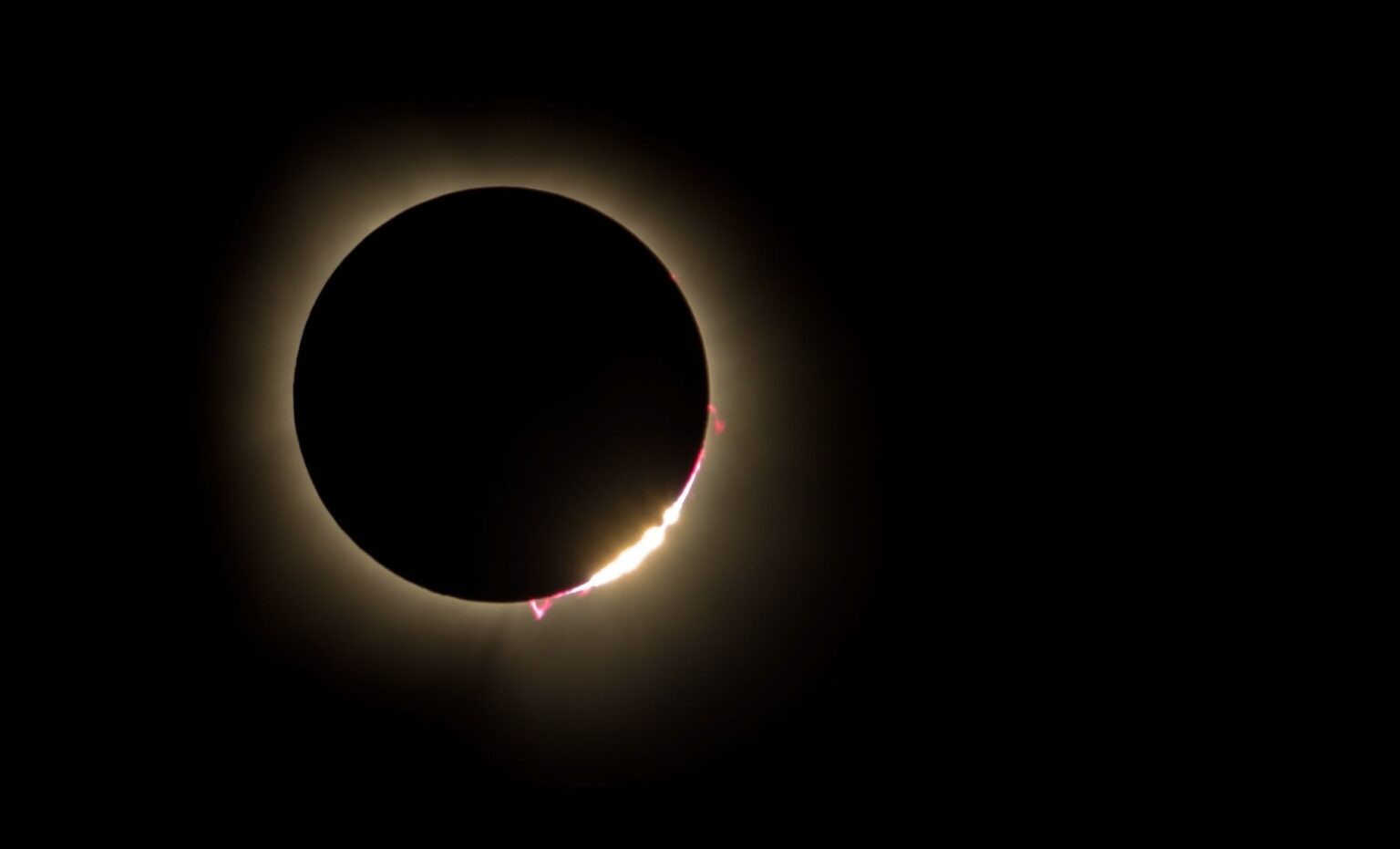
The phenomenon of a solar eclipse captivates astronomers and the public alike, and the upcoming longest solar eclipse, observed under NASA’s watchful eye, promises to be an extraordinary event. Scheduled for April 2024, this eclipse is expected to last up to 4 minutes and 28 seconds, making it one of the longest total solar eclipses in recent history. Understanding this event is essential, not just for astronomical enthusiasts but also for students and educators, as it presents a unique opportunity to engage with the sciences.
Details of the Event
This eclipse will pass across parts of Mexico, the United States, and Canada, allowing millions to witness its grandeur. NASA has been actively involved in tracking solar eclipses and providing resources for both scientific professionals and the public. The path of totality, where viewers will experience complete darkness during the day, will span a significant distance across North America. Along the path, cities such as Dallas, Indianapolis, and Cleveland will have optimal viewing conditions.
In preparation for this remarkable event, NASA has stepped up public education efforts, launching campaigns and informational materials to ensure that people understand how to safely observe the eclipse. Solar filters and special viewing glasses will be essential for anyone looking to witness the phenomenon without jeopardising their eyesight.
Significance of the Eclipse
The significance of the longest solar eclipse extends beyond its visual spectacle. Total solar eclipses provide invaluable opportunities for scientific research, illuminating aspects of solar phenomena and engaging the public with STEM (science, technology, engineering, and mathematics) education. They are moments of collective experience, fostering interest in not only astronomy but also in the broader implications of space science.
NASA’s involvement ensures a wealth of data is collected, contributing to ongoing studies about the sun’s influence on climate and space weather. For instance, understanding the interactions of sunlight with the Earth’s atmosphere can lead to improved weather forecasting and insights into climate change.
Conclusion
<pThe upcoming longest solar eclipse offers more than just a rare astronomical event. It stands as a testament to our advancing understanding of celestial phenomena and the importance of public involvement in science. As we approach April 2024, the excitement builds not just for what will be seen in the sky, but for the doors it may open for future discoveries and the inspired minds it may encourage. From individual observations to collective celebrations, the eclipse promises to be a memorable and significant moment in the annals of astronomy.