NASA Satellite Crash Update
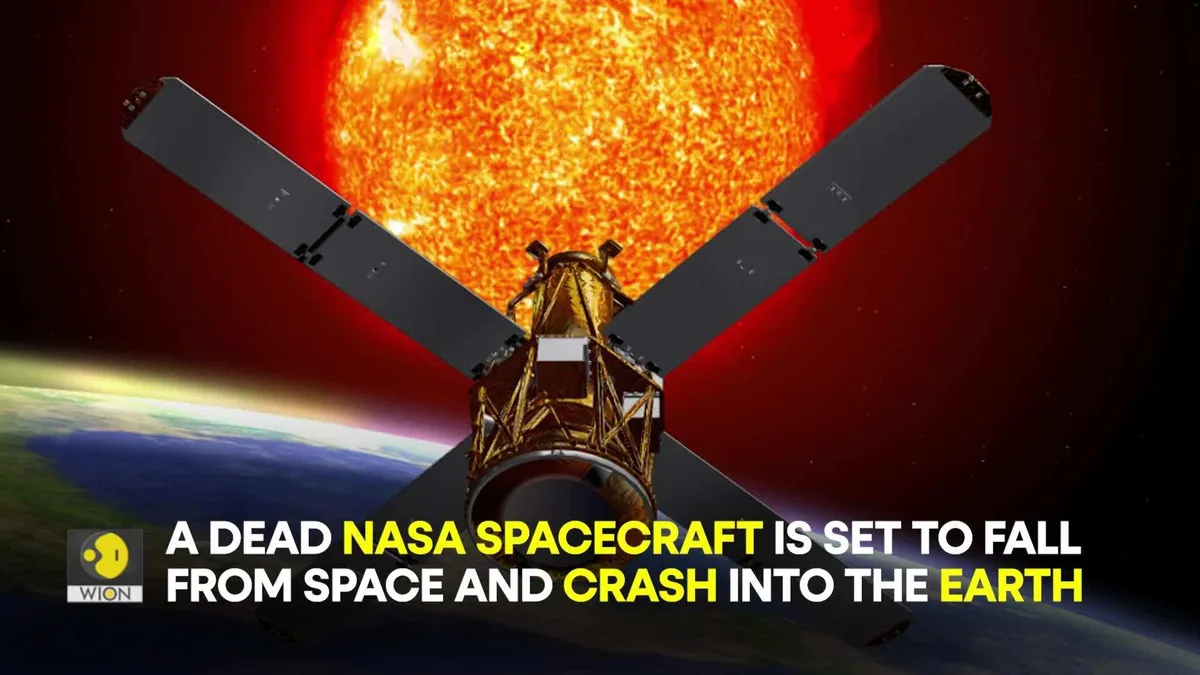
The Van Allen Probe A, a 1,300-pound NASA satellite, is expected to reenter Earth’s atmosphere around 7:45 p.m. on March 10, 2026. NASA officials have indicated that there is a 24-hour margin of uncertainty for the reentry time.
Most of the probe is anticipated to burn up during reentry, but some components may survive the descent. The risk of harm coming to anyone on Earth is described as ‘low’ at approximately 1 in 4,200, according to NASA officials.
The Van Allen Probe A was launched in August 2012, with an original mission duration planned for two years. However, the mission lasted nearly seven years, concluding in 2019 when the probes ran out of fuel.
These probes were designed to explore Earth’s permanent radiation belts, known as the Van Allen belts, which shield the planet from cosmic radiation, solar storms, and solar wind. The current solar cycle has increased atmospheric drag on the spacecraft, pulling them in faster than expected.
Probe B, a companion satellite, is not expected to re-enter Earth’s atmosphere until the 2030s. The Van Allen probes were the first designed to spend a significant amount of time studying these radiation belts, which are rings of charged particles trapped by Earth’s magnetic field.
NASA has emphasized the importance of monitoring such space weather events, as most missions to the belts are short to minimize exposure to damaging radiation. The current active solar cycle has triggered intense space weather events, further complicating the situation.
Details remain unconfirmed regarding the exact location of the reentry, but it is likely to occur over a body of water. Observers continue to monitor the situation closely as the reentry date approaches.