The wider picture
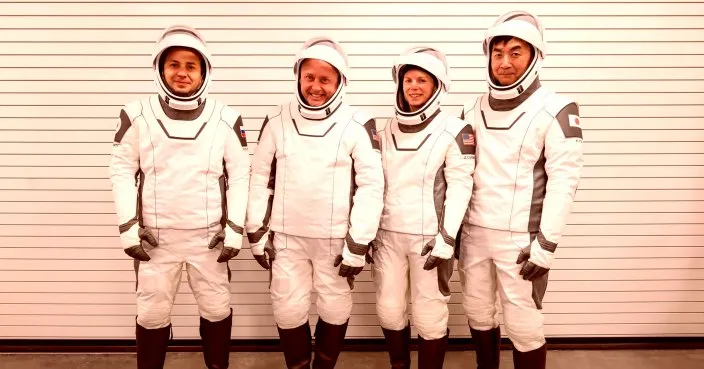
The incident marks NASA’s first medical evacuation in 65 years of human spaceflight. On January 7, 2026, a medical emergency aboard the International Space Station (ISS) prompted swift action from the crew and mission control. Astronaut Mike Fincke experienced a sudden and alarming medical episode, losing the ability to speak for approximately 20 minutes without any accompanying pain or choking. This unexpected turn of events led to the cancellation of a planned spacewalk and the early evacuation of the entire Crew-11 mission.
Fincke’s crewmates, including Zena Cardman, Kimiya Yui, and Oleg Platonov, acted quickly to contact NASA’s flight surgeons, ensuring that the situation was addressed with urgency. “It was completely out of the blue. It was just amazingly quick,” Fincke recalled, emphasizing the rapid response of his fellow astronauts. He added, “My crewmates definitely saw that I was in distress. It was all hands on deck within just a matter of seconds.” This teamwork highlights the strong bond and training that astronauts undergo to prepare for emergencies in space.
NASA’s decision to evacuate the crew came more than a month ahead of schedule, illustrating the seriousness of the situation. Fincke, who had logged an impressive 549 cumulative days in space prior to this incident, was transported back to Earth aboard a SpaceX Crew Dragon capsule on January 15, 2026. The successful evacuation not only underscores the importance of preparedness in space missions but also reflects the advancements in space travel technology that allow for such rapid responses.
In the aftermath of the incident, medical professionals have ruled out a heart attack and choking as potential causes of Fincke’s episode. However, the exact cause remains unknown and is still under investigation. NASA is currently reviewing medical records of other astronauts for similar incidents, as they seek to understand the implications of prolonged exposure to weightlessness on human health.
Fincke expressed his surprise at the incident, stating, “I’ve been very lucky to be super healthy. So this was very surprising for everyone.” His experience serves as a reminder of the unpredictable nature of space travel and the need for constant vigilance regarding astronaut health and safety. The ISS has been continuously occupied for 25 years, and this incident marks a significant moment in its storied history.
As NASA continues to investigate the circumstances surrounding Fincke’s medical episode, officials are committed to ensuring the safety and well-being of all astronauts aboard the ISS. The agency’s proactive approach in addressing potential health risks is crucial as it prepares for future missions and the ongoing exploration of space.
In summary, the evacuation of the Crew-11 mission not only highlights the challenges faced by astronauts but also showcases the resilience and readiness of the teams involved in space exploration. As we look to the future, the lessons learned from this incident will undoubtedly contribute to the ongoing evolution of human spaceflight.