Reaction from the field
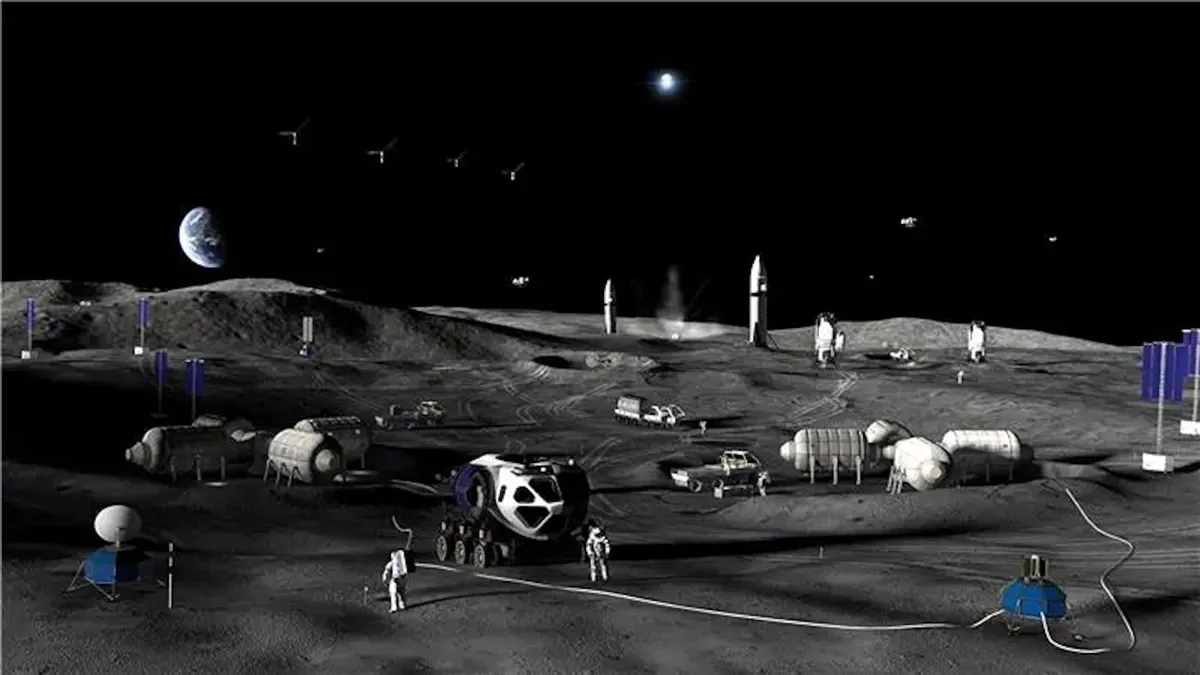
The ambitious plan for a $20 billion moon base by NASA is poised to reshape humanity’s presence in space, marking a significant leap toward establishing a permanent foothold on the lunar surface. This initiative is not just about exploration; it represents a strategic move in the ongoing global competition for space leadership, particularly against nations like China, which are also advancing their lunar ambitions.
NASA’s commitment to this monumental project comes as part of its Artemis program, which has long aimed to create a sustainable human presence on the moon. Jared Isaacman, a prominent figure in the space community, emphasized the urgency of this endeavor, stating, “The clock is running in this great-power competition, and success or failure will be measured in months, not years.” This sentiment underscores the high stakes involved in the race to the moon.
The moon base development will unfold in three distinct phases: first, testing technology; second, constructing semi-habitable areas; and finally, establishing a long-term presence. This structured approach aims to ensure that each step is meticulously planned and executed, paving the way for future missions. Isaacman noted, “We will invest approximately $20 billion over the next seven years and build it through dozens of missions, working together with commercial and international partners towards a deliberate and achievable plan.” This collaborative effort highlights the importance of partnerships in achieving such a monumental goal.
NASA’s shift away from the Gateway space station plan to focus on the moon base reflects a strategic pivot in its approach to lunar exploration. The Artemis IV and Artemis V missions, set for launch in 2028, are critical milestones in this journey, with the agency aiming to land astronauts on the moon every six months following Artemis V. This ambitious schedule is indicative of NASA’s determination to establish a consistent human presence on the lunar surface.
In preparation for this extensive project, NASA plans to repurpose systems and hardware from the Gateway program, demonstrating a resourceful approach to space exploration. The agency’s goal is clear: to return to the moon before the end of President Trump’s term in 2029, reinforcing its commitment to American leadership in space. Isaacman remarked, “NASA is committed to achieving the near-impossible once again: to return to the moon before the end of President Trump’s term, build a moon base, establish an enduring presence, and do the other things needed to ensure American leadership in space.”
As the plans for the moon base unfold, NASA is also preparing for 30 uncrewed landings planned in 2027, which will serve as a precursor to the crewed missions. This proactive approach aims to test and refine the technologies necessary for sustaining human life on the moon, ensuring that the eventual establishment of the base is both safe and effective.
While the excitement surrounding this initiative is palpable, there are still uncertainties regarding the timeline and specific technologies that will be utilized. Details remain unconfirmed, but the collaborative spirit and ambitious goals set forth by NASA and its partners signal a new era in lunar exploration. The world watches with bated breath as humanity prepares to take its next giant leap into the cosmos.