Historically, Ecuador has been viewed as a critical corridor for drug trafficking, primarily due to its geographical position between Colombia and Peru, the world’s largest cocaine producers. This expectation of Ecuador’s role in the drug trade has remained relatively stable over the years, with the country often overshadowed by its more notorious neighbors.
However, a decisive moment occurred recently with the discovery of a 35-meter-long narco submarine in Ecuador’s Cayapas–Mataje nature reserve. This semi-submersible was found carrying 6,000 gallons of fuel, underscoring the sophistication of the drug trafficking operations in the region.
The immediate effect of this discovery has been a renewed focus from Ecuador’s government. President Daniel Noboa announced a new phase in the war on drug cartels, indicating a shift in strategy to combat the evolving tactics of narcos. This development signals a recognition that traditional methods may no longer suffice against increasingly advanced trafficking methods.
Experts note that the mangroves concealing the submarine also reveal a broader issue: “The mangroves hid a submarine, but they also exposed something larger: in Latin America’s drug wars, the routes keep evolving faster than the rhetoric meant to stop them.” This highlights the ongoing challenges faced by law enforcement in keeping pace with drug trafficking innovations.
In addition to local efforts, the United States has been actively involved in combating drug trafficking in the region. Under Operation Southern Spear, the US has conducted numerous strikes on boats suspected of carrying drugs, demonstrating the international dimension of the fight against narcos.
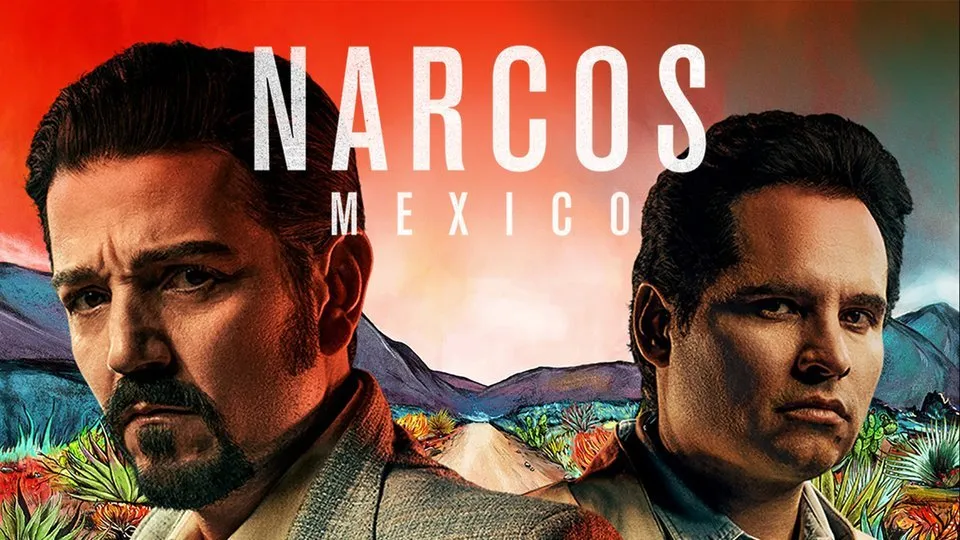
The narrative of narcos has been popularized in media, particularly through the series “Narcos,” which chronicles the rise and fall of figures like Pablo Escobar and the impact of cocaine on organized crime. The series illustrates that the drug war is not merely a battle between drug dealers and law enforcement but is deeply intertwined with politics and power dynamics.
As Ecuador grapples with these challenges, the situation remains fluid. The recent developments indicate a potential shift in how the country addresses drug trafficking, but details remain unconfirmed regarding the full implications of these changes.
Overall, the evolving landscape of narcos in Ecuador reflects a complex interplay of local and international efforts, highlighting the persistent and adaptive nature of drug trafficking operations in the region.