Introduction
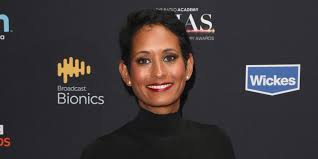
Naga Munchetty, the British journalist and television presenter, has made a significant mark in the media landscape of the UK. As a familiar face on BBC Breakfast, her role has transcended mere reporting; she has become a voice for many, adept at addressing important issues with grace and authority. Her growing prominence in journalism highlights the evolving landscape of British media, where diversity and representation are increasingly valued.
Career Highlights
Munchetty was born in 1975 in Streatham, London, and her early education at University of Leeds set the foundation for an impressive career in journalism. She began her professional journey in local radio and quickly advanced to report for esteemed networks such as Channel 4 News and BBC World News. Since joining BBC Breakfast in 2014, Munchetty has become a key presenter, known for her engaging interviewing style and ability to tackle pressing news stories.
In recent years, Munchetty has delved into a variety of topics, ranging from politics and economics to social issues affecting communities across the UK. Her dedication to highlighting stories that matter has earned her several accolades, including a British Diversity Award. Munchetty’s insightful discussions, particularly around mental health and racism, have resonated with a wide audience, propelling her to the forefront of contemporary journalism.
Recent Developments
In September 2023, Munchetty made headlines once again, when she participated in a panel discussion addressing the challenges faced by minority journalists in the industry. The event, aimed at promoting inclusivity within media networks, showcased Munchetty’s commitment to fostering a diverse working environment. She emphasised the importance of representation, stating, “Diverse voices create a richer narrative for our audience,” highlighting the need for systemic change within traditional media outlets.
Furthermore, her recent documentary exploring the experiences of women of colour in the media has already garnered significant attention, with viewers praising her sensitive yet powerful approach to storytelling. The documentary underlines her belief in amplifying underrepresented voices, demonstrating her role as a champion for change.
Conclusion
Naga Munchetty continues to be a significant figure in the realm of British journalism, with her career reflecting broader shifts in media ethics and representation. As audiences demand more diverse and inclusive narratives, Munchetty’s influence will likely grow. Looking forward, it is anticipated that she will continue to lead impactful discussions, sparking necessary conversations in and out of the newsroom. Her journey thus far is not just a personal success story; it is emblematic of a more inclusive future in journalism that audiences and aspiring journalists alike can look toward with hope.