Introduction
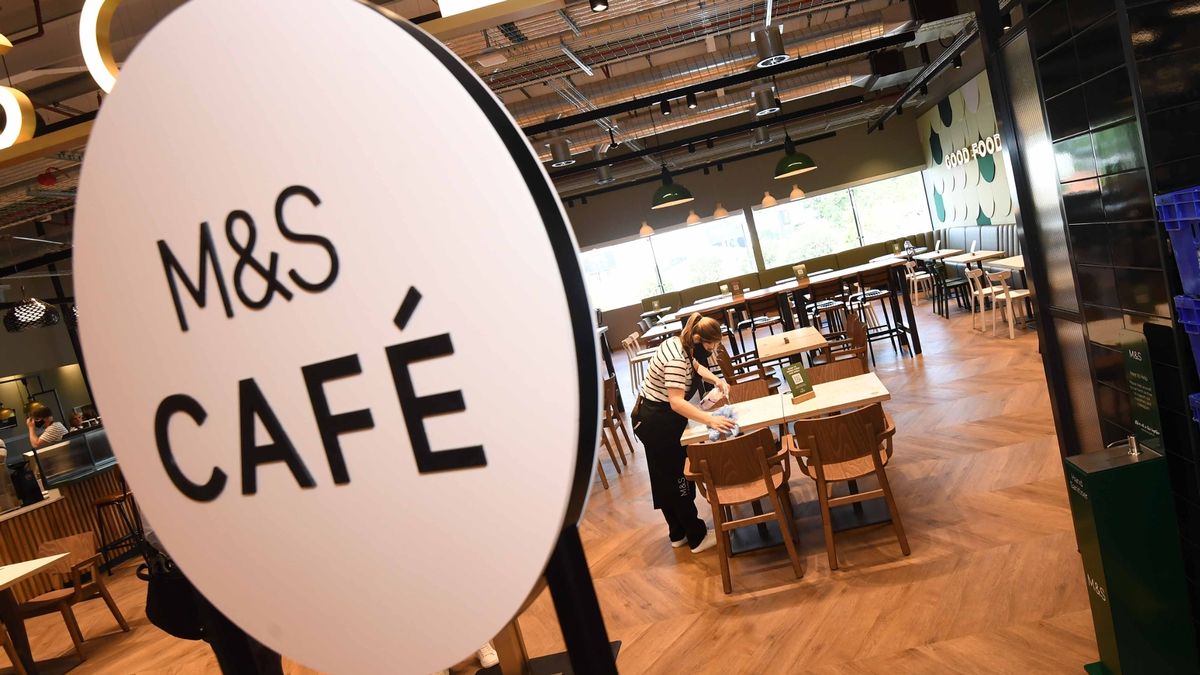
In recent news, Marks & Spencer (M&S) has announced the closure of several of its cafes across the UK. This decision has sparked significant conversation among customers and stakeholders alike, highlighting a shift in consumer behaviour and eating habits, especially post-pandemic. As M&S is a staple of British retail, the closure of these cafes bears considerable relevance to both its business model and the community it serves.
Details of the Closures
M&S has revealed that it will be shutting down around 20 cafes by the end of the year, a move that comes as part of its broader strategy to streamline operations and focus on its core retail business. These closures predominantly affect smaller stores where cafe operations have not proven to be sustainable. The company cited a decline in foot traffic and changing consumer preferences, as more people opt for takeaway options or dining experiences elsewhere as reasons for this decision.
The cafes closing include locations in various cities, including a few in London, Birmingham, and Manchester. Customers have expressed frustration over losing a convenient spot for their daily coffee or lunch. Reports indicate that many patrons appreciate the quality of food served at M&S cafes and have relied on them for quick, affordable meals.
Market Trends and Consumer Behaviour
The decision to close M&S cafes also reflects broader trends within the retail sector. Research conducted during the last few years has shown a significant shift in consumer spending towards e-commerce and takeaway food options as a result of the COVID-19 pandemic. These changes in the market have forced many traditional retailers, including M&S, to rethink their in-store offerings.
Furthermore, competition from fast-casual dining options and other cafe chains has intensified, putting pressure on M&S to adapt its strategy in line with customer expectations and market conditions.
Conclusion
The closures of M&S cafes are not just a corporate decision; they represent a significant transformation in the retail landscape. As customers increasingly lean towards convenience and takeaway offerings, traditional cafes must evolve or risk redundancy. Those who regularly enjoyed M&S cafes may have to search for alternative dining experiences in their daily routine. It remains to be seen how M&S will address these changes moving forward and whether they will explore new methods to retain their loyal customer base.
As M&S continues to navigate these tumultuous times, it is essential for them to consider innovative strategies to not just survive but thrive in the evolving market, ensuring they remain a key player in British retail.