Introduction
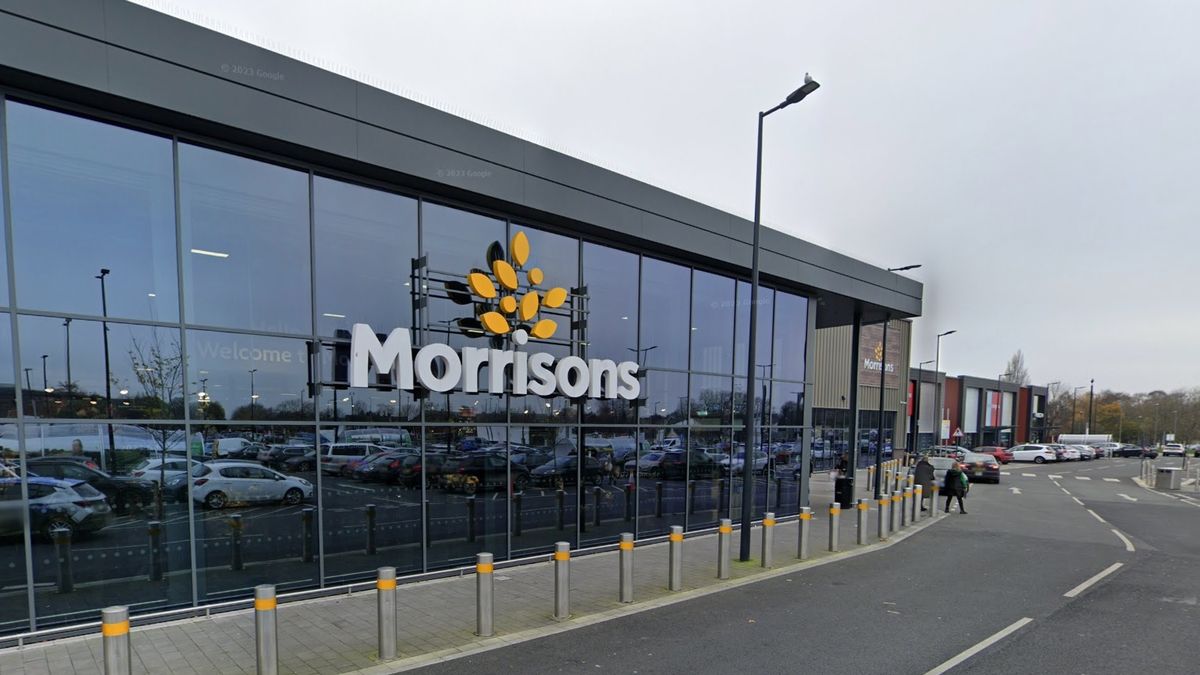
The recent decision by Morrisons, one of the UK’s largest supermarket chains, to close several of its stores has sparked considerable concern among local communities and employees. As the retail landscape rapidly evolves amidst economic challenges, understanding the implications of these closures is essential for both consumers and the workforce. This article explores the reasons behind the closures and their potential impact.
Main Body
According to reports, Morrisons has announced the closure of 44 stores across the UK as part of a strategic move to streamline operations and cut costs. The announcement comes following a challenging trading period exacerbated by the ongoing cost-of-living crisis, with many households tightening their budgets and altering their shopping behaviours.
The closures affect various regions, including areas that heavily rely on these supermarkets for employment and access to groceries. In some towns, the closure of a Morrisons outlet could mean losing hundreds of jobs, which may prove detrimental not only to families but to the local economy as well. The affected employees are reported to be receiving support from the company, which has promised to assist with job placements where possible.
Moreover, the loss of a Morrisons store can result in reduced competition, leading to potential price increases at remaining supermarkets. Local residents could find themselves dependent on fewer options, making it tougher for low-income families to access affordable food. Community leaders have expressed their disappointment, urging the retail giant to consider alternative solutions that would allow them to maintain these vital service points.
Industry analysts suggest that the move aligns with broader trends in the retail sector, where many traditional brick-and-mortar stores are struggling to compete with online grocery services and discount retailers. Morrisons has acknowledged this reality, stating that adapting to consumer preferences in the digital age is paramount. However, the process of transformation inevitably involves difficult decisions, such as these store closures.
Conclusion
The closure of Morrisons stores signals a significant shift in the retail landscape of the UK, one that has the potential to affect not only consumers but also employees and local economies. As the company continues to adapt to changing market conditions, the impact of these decisions will likely resonate within communities for years to come. Looking ahead, it remains crucial for stakeholders—ranging from local authorities to consumers—to monitor these developments closely and advocate for solutions that support both employment and access to essential goods.