Introduction
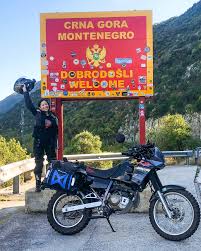
Montenegro, a small yet breathtaking country located in Southeast Europe, has rapidly gained recognition as a popular tourist destination. With its stunning Adriatic coastline, picturesque national parks, and rich cultural heritage, Montenegro is becoming an essential part of European travel itineraries. The importance of understanding Montenegro lies not only in its natural beauty but also in its unique position at the crossroads of different cultures and histories.
A Brief Overview of Montenegro
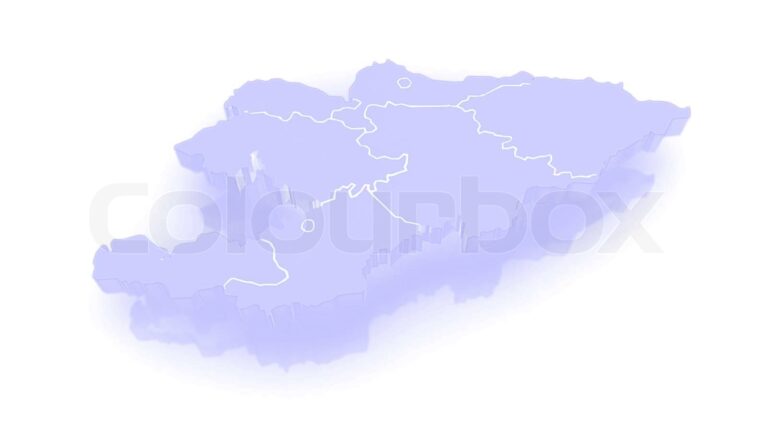
Montenegro, which translates to ‘Black Mountain’, covers an area of approximately 13,812 square kilometres and is home to around 622,000 people. Nestled between Croatia, Bosnia and Herzegovina, Serbia, and Albania, it boasts a varied landscape that includes mountains, fjords, and historic towns. Podgorica serves as the capital, while the coastal town of Kotor is famous for its medieval architecture and remarkable bay.
Tourism and Economic Development
In recent years, tourism has become a key driver of Montenegro’s economy. The nation saw a significant rise in visitors post-COVID-19, with reports indicating a 40% increase in tourist numbers in summer 2023 compared to previous years. With attractions such as the UNESCO World Heritage site of Kotor, the stunning Durmitor National Park, and the vibrant beaches of Budva, it’s no wonder that holidaymakers are flocking to this Balkan jewel.
Challenges and Opportunities
While tourism offers significant economic opportunities, Montenegro also faces challenges, including environmental concerns due to over-tourism and the need for sustainable development. Both the government and various NGOs have been working towards implementing measures to protect Montenegro’s natural landscapes while promoting responsible travel. Future investment in infrastructure and eco-friendly initiatives holds promise for maintaining the delicate balance between tourism growth and environmental preservation.
Conclusion
Montenegro stands as a testament to the beauty and complexity of the Balkans. With its rich cultural tapestry, breathtaking natural scenery, and vibrant communities, it offers a unique destination for travellers alike. As the country continues to develop its tourism sector, it is vital for visitors and stakeholders alike to prioritise ecological sustainability and cultural preservation. Montenegro’s journey towards becoming a leading tourist destination is just beginning, and its significance on the European travel map will undoubtedly grow in the years to come.