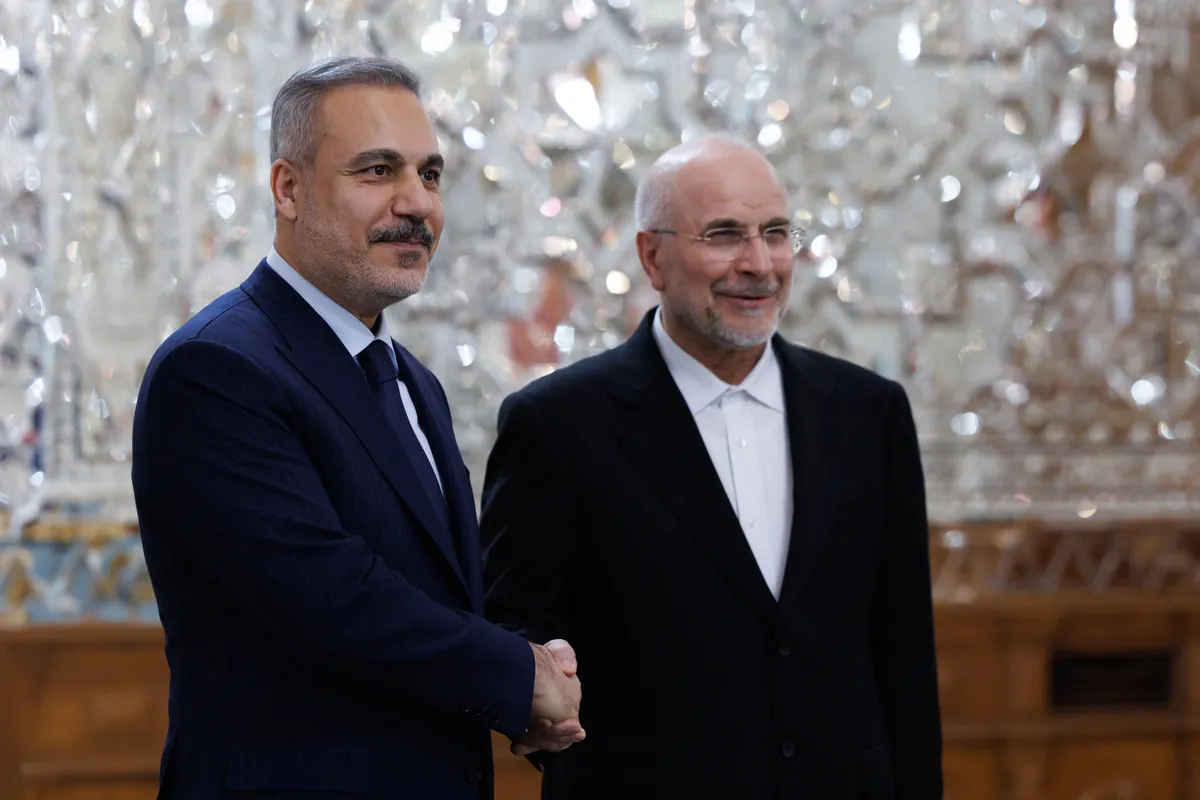
What does the recent escalation in tensions between Iran and the U.S. signify for the future of international relations in the region? As events unfold, it becomes clear that Iran’s parliament speaker, Mohammad Bagher Ghalibaf, is taking a firm stance against perceived threats from the United States, particularly in light of recent attacks on Israel’s oil refinery.
On March 30, 2026, Ghalibaf issued a stark warning to the U.S., suggesting that any ground invasion would lead to dire consequences for American troops, stating they would be set ‘on fire.’ This aggressive rhetoric comes after Donald Trump publicly put Iran and Ghalibaf on notice, indicating that the U.S. would soon determine whether Ghalibaf is willing to engage in dialogue.
In a series of statements, Ghalibaf claimed that Iranian forces are prepared to retaliate against U.S. troops and their regional allies. He criticized Trump’s social media posts, labeling them as attempts to manipulate financial and oil markets, and referred to the U.S.’s 15-point plan as merely ‘their wishes.’ This exchange highlights the growing animosity between the two leaders and their respective nations.
The backdrop to this confrontation is significant. Following the Iranian attacks, oil prices surged to $115 per barrel, reflecting the heightened volatility in the region. This spike has also impacted the average gas price in the U.S., which has reached $3.99 per gallon, further complicating the domestic economic landscape amid international tensions.
Ghalibaf’s remarks are particularly notable as they mark the first time Iran has threatened to strike not just military targets but also U.S. and Israeli universities, indicating a shift in the scope of their military strategy. He emphasized, “Our firing continues. Our missiles are in place. Our determination and faith have increased,” signaling a readiness to escalate if provoked.
Trump, in response, has suggested that a regime change in Iran is underway, claiming that the old guard has been replaced. This assertion adds another layer of complexity to the already fraught relationship between the two nations, as both leaders navigate their respective political landscapes.
As the situation develops, the health status of Iran’s new Supreme Leader, Mojtaba Khamenei, remains unclear, leaving uncertainties about the future direction of Iran’s policies. Details remain unconfirmed, but the implications of these tensions could resonate far beyond the immediate region.