Introduction
Michael Carrick has made a significant mark in the world of football, both as a player and as a manager. His journey from a budding talent at West Ham United to a stalwart for Manchester United and England is notable. As he transitions to management, understanding his career and contributions is important for football fans and aspiring players alike.
Early Life and Career
Born on July 28, 1981, in Wallsend, England, Carrick began his football journey in the youth ranks of West Ham United. He made his professional debut in 1999, showcasing his potential as a dependable midfielder. His early career faced challenges, but Carrick’s impressive performances earned him a move to Tottenham Hotspur in 2004, where he honed his skills further.
Glory Days at Manchester United
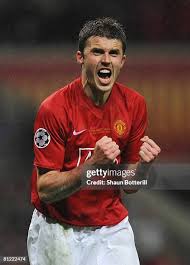
In 2006, Carrick signed with Manchester United for a reported fee of £18.6 million, a decision that would define his career. During his time with the Red Devils, he won numerous accolades, including five Premier League titles, one FA Cup, and the UEFA Champions League in 2008. Carrick was known for his exceptional passing ability and tactical intelligence, becoming a key player in Sir Alex Ferguson’s squad.
International Representation
On the international stage, Carrick earned 34 caps for the England national team, participating in major tournaments, including the 2006 and 2010 FIFA World Cups. However, Carrick’s international career often faced competition from other midfielders, which limited his appearances, but he left a lasting impression during his tenure.
Transition to Management
Retiring from professional play in 2018, Carrick joined Manchester United’s coaching staff. His first major managerial role came in November 2021 when he stepped in as interim manager following the dismissal of Ole Gunnar Solskjaer. Carrick’s insight and tactical knowledge gained respect in a tumultuous period for the club, culminating in a draw against Chelsea and a win over Arsenal.
Current Developments
As of October 2023, Carrick has taken the helm at Middlesbrough, aiming to bring stability and success to the club. His managerial philosophy is influenced by his playing experiences, focusing on nurturing talent and instilling discipline. Early results as a manager have been encouraging, indicating a promising future.
Conclusion
Michael Carrick’s evolution from a celebrated player to a promising manager demonstrates his profound love for the game. His impact on football continues to grow, and as he embarks on his managerial career, many eyes will be watching how he constructs his legacy. For fans and players alike, Carrick remains a figure of inspiration, embodying dedication and passion for football.