Many people mistakenly celebrate Cinco de Mayo as Mexico’s Independence Day, but this holiday actually marks the victory of Mexican forces over French troops at the Battle of Puebla on May 5, 1862. The battle was significant not only for its military implications but also for its role in shaping Mexican national identity.
The Battle of Puebla saw about 2,000 Mexican soldiers face off against a formidable French army of 6,000. Despite being outnumbered, the Mexican forces managed to secure a remarkable victory, losing fewer than 100 men compared to France’s approximately 500 casualties. This event became a symbol of resistance and resilience.
While Cinco de Mayo is celebrated widely in the United States—especially among Mexican-American communities—it is not a major holiday in Mexico itself. Most celebrations occur in Puebla, where locals honor their historical significance and cultural heritage. As Emmanuel Padilla noted, “It is important that we recognize what May 5 actually is… that everyone is informed that there is a difference between Independence Day and May 5… because those two are often confused.”
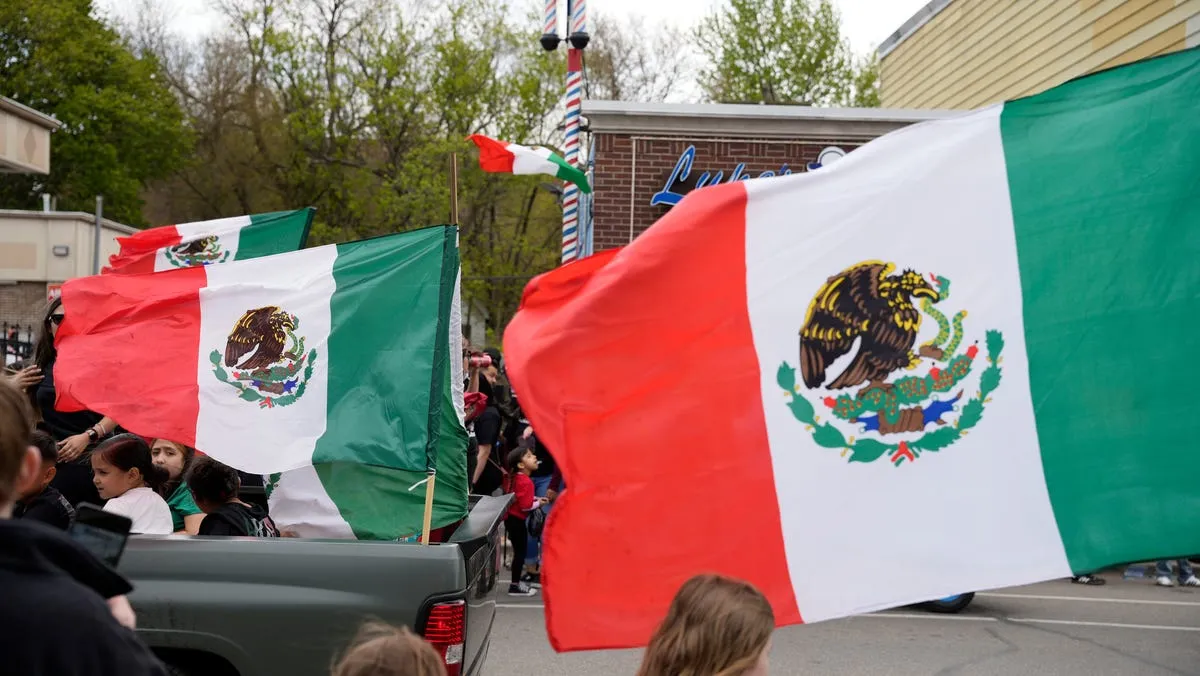
Cinco de Mayo celebrations in the U.S. began to gain traction in the 1960s as a way for Mexican Americans to celebrate their culture and heritage. Over the years, it has evolved into a broader celebration of Mexican-American culture, featuring parades, music, and traditional foods such as tacos and margaritas.
Yet, it’s crucial to remember that this holiday does not commemorate Mexico’s fight for independence from Spain—that day is celebrated on September 16. The confusion surrounding these two dates highlights how cultural narratives can shift over time.
Andrea Ruiz expressed her frustration with the misconceptions surrounding Cinco de Mayo: “I think it’s funny Trump … and all of his supporters want to get Mexicans out, call them criminals, but then on Cinco de Mayo, they want to go and eat tacos and drink tequila.” This sentiment underscores how cultural appropriation can complicate the celebration of heritage.
As communities prepare for this year’s festivities, many continue to emphasize the importance of understanding the true meaning behind Cinco de Mayo. Celebrating a military victory against colonialism resonates deeply within the context of today’s ongoing discussions about cultural identity and representation.
The legacy of Benito Juárez—who led Mexico during this tumultuous period—remains influential as well. His leadership during the Franco-Mexican War serves as a reminder of Mexico’s struggle for sovereignty and self-determination.