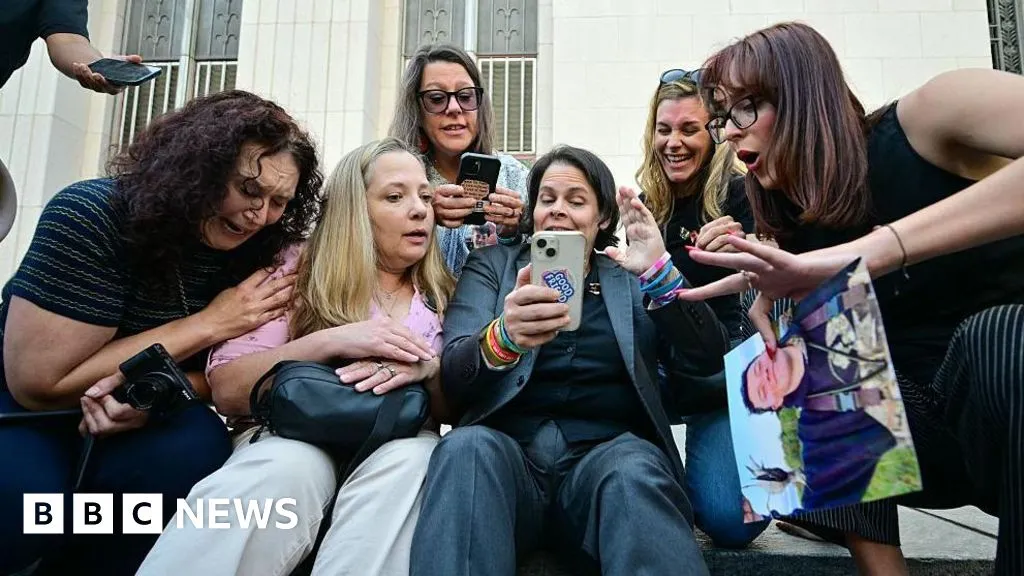
In a significant development, a jury in Los Angeles found Meta and YouTube liable for negligence in a social media addiction trial on March 25, 2026. The jury awarded a total of $6 million to the plaintiff, identified as Kaley, who began using social media at the tender age of six and has since struggled with depression and anxiety linked to her online experiences.
The jury’s decision, reached after 44 hours of deliberation, allocated 70% of the damages to Meta and 30% to YouTube. This ruling marks a pivotal moment in the ongoing conversation about the impact of social media on youth mental health, especially as the trial included testimony from addiction experts and platform executives, including Meta’s CEO, Mark Zuckerberg.
Kaley’s case is part of a broader trend of lawsuits targeting social media companies over their influence on young users. The trial lasted over a month and has been described as a bellwether, potentially influencing thousands of similar lawsuits across the country. Notably, TikTok and Snap were also named as defendants but settled before the trial commenced.
Joseph VanZandt, co-lead lawyer for the plaintiff, expressed that the verdict serves as a strong message to the industry, stating, “For years, social media companies have profited from targeting children while concealing their addictive and dangerous design features. Today’s verdict is a referendum — from a jury, to an entire industry — that accountability has arrived.”
Juror Victoria added, “We wanted them to feel it. We wanted them to realize this was unacceptable.” This sentiment reflects a growing concern among the public regarding the responsibilities of social media platforms in safeguarding the mental health of their younger users.
In response to the verdict, both Meta and YouTube announced plans to appeal. A Google spokesperson stated, “We disagree with the verdict and plan to appeal. This case misunderstands YouTube, which is a responsibly built streaming platform, not a social media site.” Meanwhile, a Meta spokesperson remarked, “Teen mental health is profoundly complex and cannot be linked to a single app. We will continue to defend ourselves vigorously as every case is different, and we remain confident in our record of protecting teens online.”
As the community reflects on this landmark ruling, the implications of the trial extend beyond Kaley’s case, potentially reshaping the landscape of accountability for social media companies and their impact on youth.