Introduction
The recent collapse of a medieval tower in Rome has sparked significant concern regarding the preservation of the city’s historical structures and public safety. As one of the world’s most cherished historical cities, Rome is home to numerous ancient buildings that stand as testimonies of its rich cultural heritage. The destruction of these relics not only symbolizes a loss of history but also highlights pressing issues surrounding their maintenance and restoration.
Details of the Incident
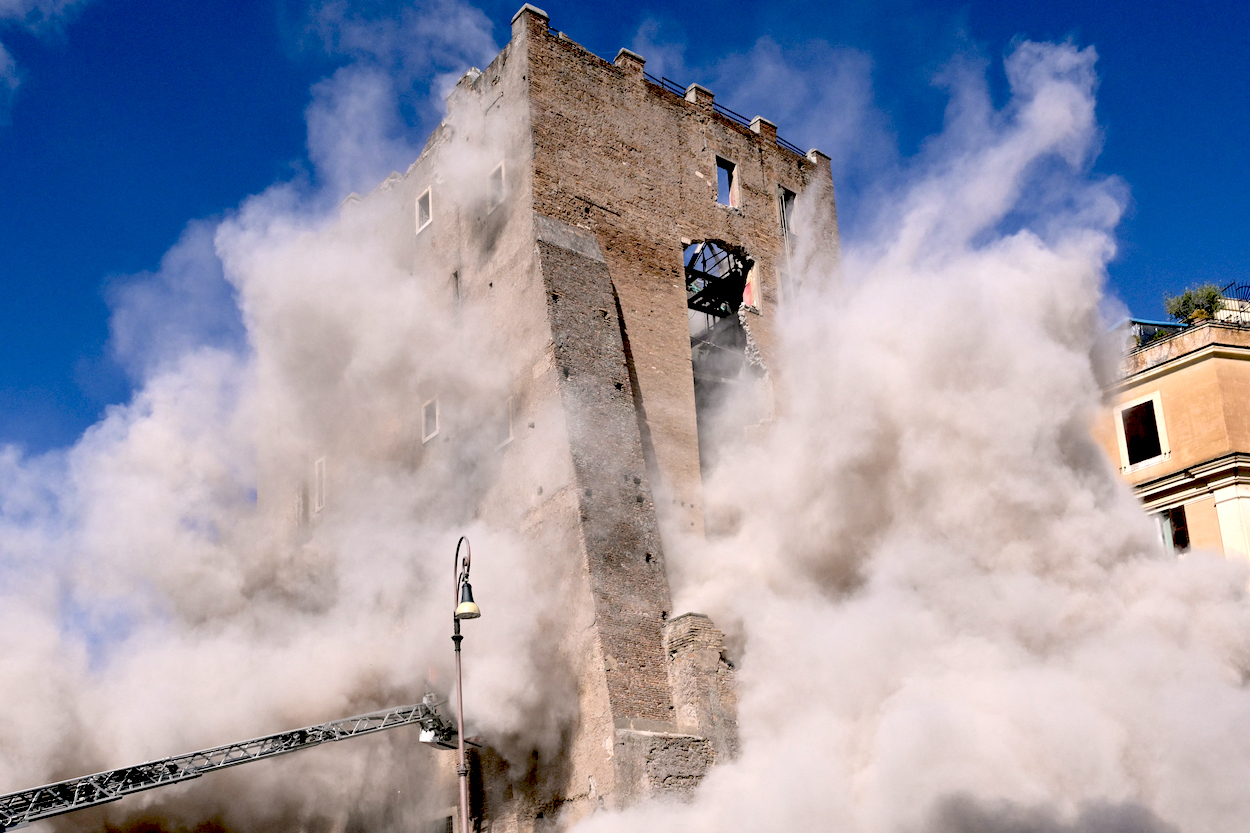
On October 15, 2023, a portion of the Torre dei Capocci, a medieval tower dating back to the 13th century, came tumbling down during the early hours of the morning. Eyewitness accounts revealed a deafening noise that preceded the collapse, causing panic among local residents. Fortunately, there were no reported injuries as the area surrounding the tower had been closed for restoration work for several months.
The tower, located in the historic district of Monti, was undergoing inspection and was scheduled for renovations before the unforeseen collapse. Experts believe that a combination of structural weaknesses and ongoing construction work may have contributed to the tower’s failure. This incident has raised alarms about the structural integrity of similar historical buildings throughout the city.
Responses and Implications
The municipal government of Rome has promptly launched an investigation into the collapse, appealing for a thorough review of other medieval structures within the city. Local officials have emphasised the importance of safeguarding these iconic landmarks, stating, “We owe it to our ancestors and to future generations to ensure these treasures are preserved for the world to see.” Preservation advocates have echoed these sentiments, calling for immediate action to assess and support the remaining historical edifices.
In light of this event, various preservation groups are urging the Italian government to increase funding and resources dedicated to the maintenance of historical sites. This incident raises critical questions about historical preservation priorities, particularly in a city as architecturally significant as Rome.
Conclusion
The collapse of the Torre dei Capocci is a poignant reminder of the vulnerabilities faced by ancient structures in urban settings. As Rome grapples with this incident, the importance of investing in heritage preservation has never been more apparent. The ongoing evaluations and restoration efforts will play a crucial role in determining the fate of other medieval towers and buildings across the city. Without proper preservation strategies, we risk losing irreplaceable pieces of history, underscoring the necessity for immediate and sustained action in safeguarding Rome’s architectural legacy.



