Introduction
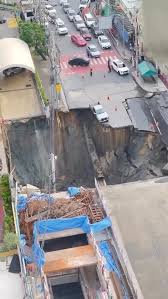
A massive sinkhole has caused significant disruption in Bangkok, Thailand, raising alarms regarding the city’s urban infrastructure stability. As urbanisation increases, the integrity of city foundations comes into question, making this sinkhole a crucial topic for residents, city planners, and environmentalists alike.
Details of the Sinkhole Incident
On October 15, 2023, a large sinkhole emerged unexpectedly in the bustling area of Sukhumvit, one of Bangkok’s most populous districts. Measuring approximately 10 meters in width and 5 meters in depth, the sinkhole quickly attracted attention from both local media and residents. Witnesses reported hearing a loud rumble shortly before the ground collapsed around 10 am local time.
The Bangkok Metropolitan Administration (BMA) responded promptly, urging nearby businesses and pedestrians to maintain a safe distance from the site. Emergency services worked efficiently to cordon off the area and reroute traffic as concerns for public safety mounted. While there were no injuries, the incident interrupted transit and logistics in a vital area known for its retail and nightlife.
Impact on Urban Infrastructure
Initial investigations by city engineers have pointed to a combination of heavy rainfall, ongoing construction work, and the city’s ageing drainage systems as potential contributors. Bangkok, a city prone to flooding, has been experiencing a change in weather patterns, which may exacerbate existing vulnerabilities in its infrastructure.
Experts warn that this sinkhole could signal deeper, underlying issues in urban planning and infrastructure maintenance. With an estimated 50% of the city built on marshland, the integrity of the foundation is critical. The BMA has faced criticism for not investing sufficiently in modernising the city’s infrastructure.
Conclusion
The massive sinkhole in Bangkok has heightened awareness of urban infrastructure concerns across the city. As the population grows and climate conditions evolve, it becomes imperative for city officials to develop comprehensive strategies to ensure the safety of its residents. The incident serves not only as a wake-up call about the immediate dangers of sinkholes but also highlights the pressing need for significant investment in sustainable urban planning and structural reinforcements. Future forecasts indicate that unless the city addresses these underlying issues, residents may face similar risks, putting both lives and property in jeopardy.