Introduction
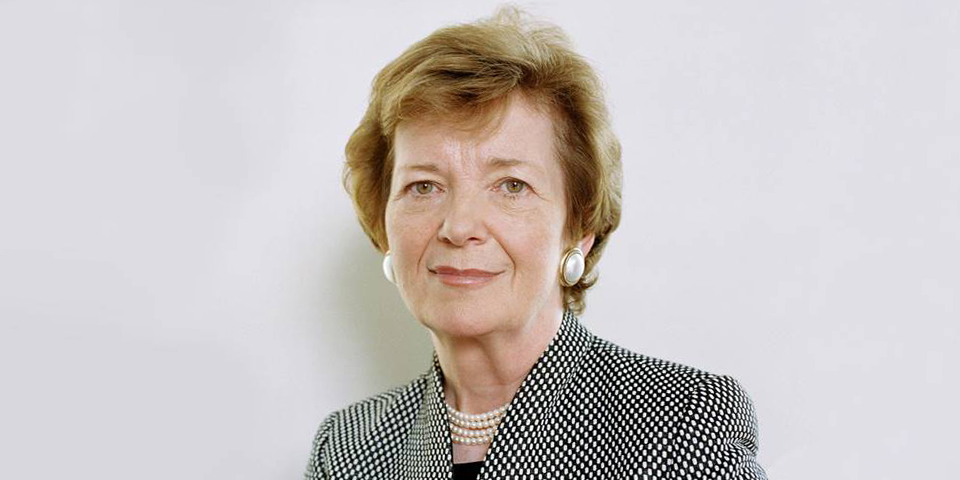
Mary Robinson, the former President of Ireland and the first female President of the Irish Senate, is a prominent figure in the global arena of human rights and climate advocacy. Currently serving as the chair of The Elders, a group of distinguished global leaders, Robinson has dedicated her life to addressing social justice, equality, and environmental sustainability. Her work remains crucial as the world grapples with the consequences of climate change and its disproportionate impacts on vulnerable populations.
Career Highlights
Mary Robinson was the seventh President of Ireland from 1990 to 1997. Throughout her presidency, she focused on advancing human rights, particularly for women and minorities. After her term in office, she became the United Nations High Commissioner for Human Rights from 1997 to 2002, where she championed human rights issues on an international scale.
Following her tenure at the UN, Robinson’s efforts shifted towards climate change, where she has become an outspoken advocate. She launched the Mary Robinson Foundation – Climate Justice in 2010, seeking to implement solutions which integrate human rights and climate issues. Under her leadership, the Foundation has pushed for a clearer understanding of how climate change affects the most disadvantaged, fostering resilience and adaptation.
Recent Developments
In recent months, Robinson has reiterated the need for greater global cooperation in tackling the climate crisis, especially as the world faces more frequent and severe weather events. In her speeches and consultations, she emphasizes the necessity of equitable climate action that prioritises the needs of the world’s most vulnerable communities. As leaders gather for the upcoming Climate Change Conference (COP28) in Dubai, Robinson’s insights on climate justice are expected to shape discussions surrounding climate adaptation and responsibility.
Moreover, Robinson has been involved in various initiatives aimed at mobilising youth leaders for climate action. Her commitment to engaging younger generations is vital in creating sustainable pathways for the future and ensuring that the voices of those most affected by climate change are heard and represented.
Conclusion
Mary Robinson’s engagement in human rights and climate advocacy underlines the interconnectedness of these issues. As the world braces for forthcoming challenges related to climate change, her work serves as a reminder of the need for compassionate leadership that considers both environmental sustainability and human dignity. With climate-related policies being at the forefront of political agendas worldwide, Robinson’s wisdom and vision will likely continue to inspire action and foster global solidarity in the fight for justice and equality.