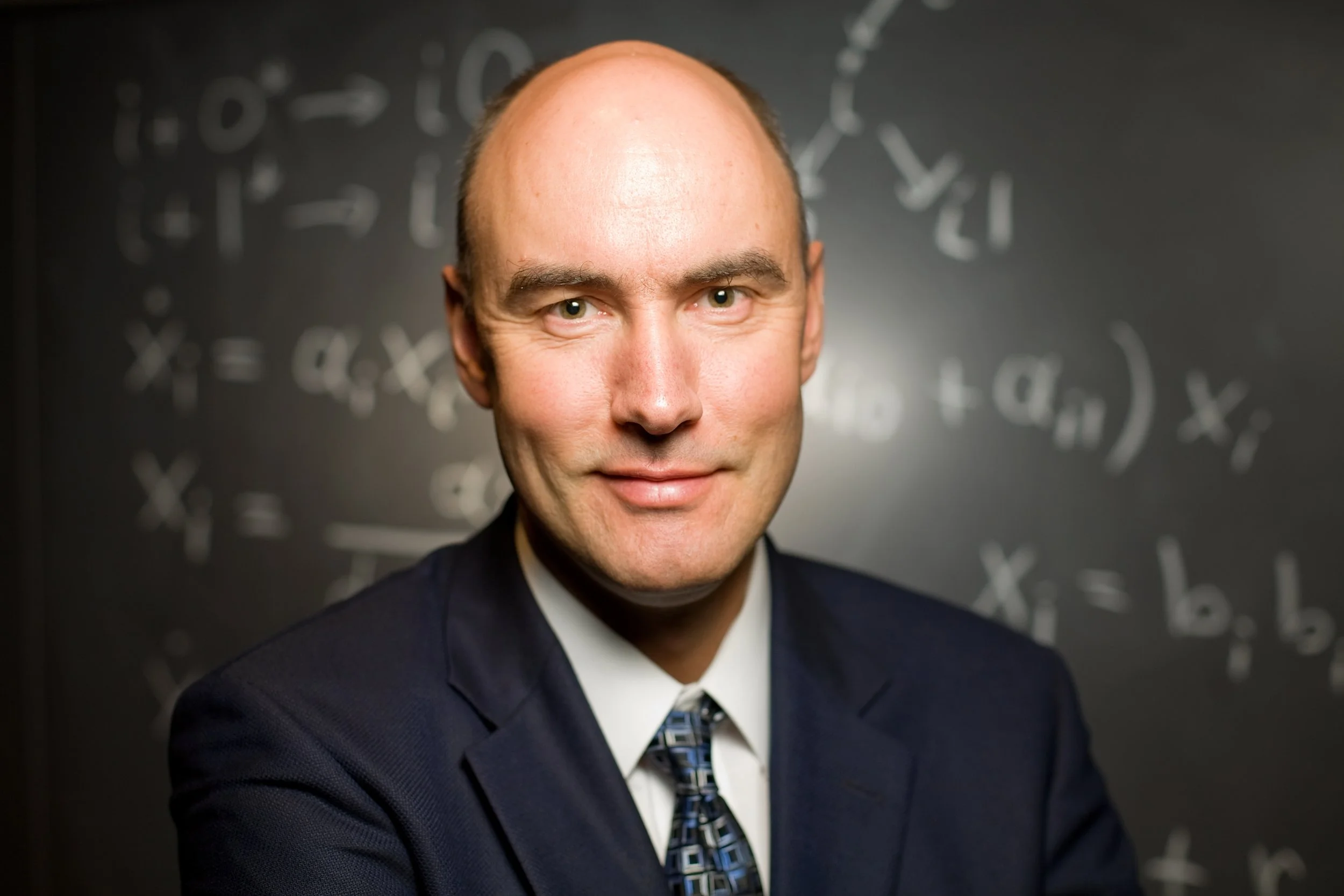
Understanding Martin Nowak’s Importance
Martin Nowak, a prominent figure in theoretical biology, has been influential in shaping our understanding of evolution and cooperation. His research integrates mathematics with biological sciences, a combination that has allowed him to delve into the complexities of how cooperation emerges in both social and biological systems. With the increasing relevance of cooperative behaviours in species survival, Nowak’s work has never been more pertinent.
Key Contributions
Nowak holds the position of Professor of Mathematical Biology at Harvard University, where he leads pioneering research on the evolution of cooperation. His work combines elements of evolutionary theory, game theory, and mathematical modeling, demonstrating how mutual cooperation can evolve among self-interested agents. One of his landmark publications, ‘Extraordinary Universality of Collective Behavior in Evolving Systems’, outlines principles that govern cooperative strategies across different organisms, from microbes to larger species.
In addition to theoretical contributions, Nowak has also made strides in practical applications of his research. He has collaborated with researchers in various fields, including economics and social sciences, to understand how cooperative behaviours can be promoted in human societies. His interdisciplinary approach has implications for global challenges such as climate change, public health, and resource management.
A Recent Study and Its Implications
In 2023, Nowak published a study that explored the role of multi-player games in the evolution of cooperation among humans. This research presents a mathematical framework that reveals how group dynamics influence decision-making processes and can lead to cooperative outcomes. Such findings have valuable implications for policymakers and organisations seeking to foster cooperation in complex societal issues.
Conclusion and Future Outlook
Martin Nowak’s work is at the forefront of our understanding of cooperation, providing essential insights that intertwine mathematics, biology, and social science. As global challenges require collaborative solutions, his research continues to inspire further inquiry into how cooperative behaviours can be nurtured and sustained.
As the dialogue surrounding cooperation evolves, especially in light of ongoing global crises, the relevance of Nowak’s findings is expected to grow. His interdisciplinary approach could well serve as a guiding framework for future endeavours aimed at promoting teamwork and collaboration in various fields.



