Introduction
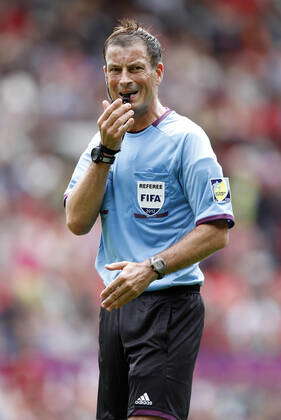
Mark Clattenburg, one of the most recognisable figures in football officiating, has left an indelible mark on the sport through his officiating in some of the most high-profile matches in recent history. Appointed as a FIFA referee in 2006, Clattenburg has gained international acclaim, having presided over major tournaments such as the UEFA Champions League and the FIFA World Cup. His contributions to football refereeing have not only shaped matches but have also influenced the development of officiating standards globally.
Career Highlights
Clattenburg’s career began in the local leagues before he quickly rose through the ranks due to his keen understanding of the game and exceptional decision-making skills. His notable moment came in 2016 when he officiated the UEFA Champions League final between Real Madrid and Atlético Madrid. Demonstrating an ability to remain calm under intense pressure, Clattenburg managed a game marred by controversy with grace and professionalism.
In addition to his work in club football, Clattenburg also earned headlines during his officiating of international tournaments. His role in the 2016 European Championship further established him as one of the elite referees in football, culminating in him being chosen to officiate the final match. His performance received praise for its consistency and his ability to maintain control despite high stakes.
Controversies and Challenges
Like many referees, Clattenburg’s career has not been without controversy. He faced criticism, notably for a series of contentious decisions during domestic matches, which drew the ire of players and managers alike. However, he often defended his decisions by emphasising the difficulties faced by referees in real-time situations. Clattenburg has been an advocate for the improvement of referee training and has called for greater support for officials in high-pressure environments, recognising the complexities of modern football.
Retirement and Legacy
In 2018, Clattenburg announced his retirement from refereeing, marking the end of an illustrious career. Post-retirement, he has remained active in the football community, sharing his experiences through media appearances and contributing to discussions on officiating standards. His legacy lingers in the arena of football, as future referees look up to his career as a benchmark for excellence.
Conclusion
Mark Clattenburg’s journey illustrates the profound impact a referee can have on the game. His experience and expertise have paved the way for ongoing dialogue about refereeing and its importance in football. As new technologies and methods for training referees continue to emerge, Clattenburg’s career serves as a reminder of the need for resilience, adaptability, and passion in officiating. His influence will undoubtedly inspire generations of referees to come.