Introduction
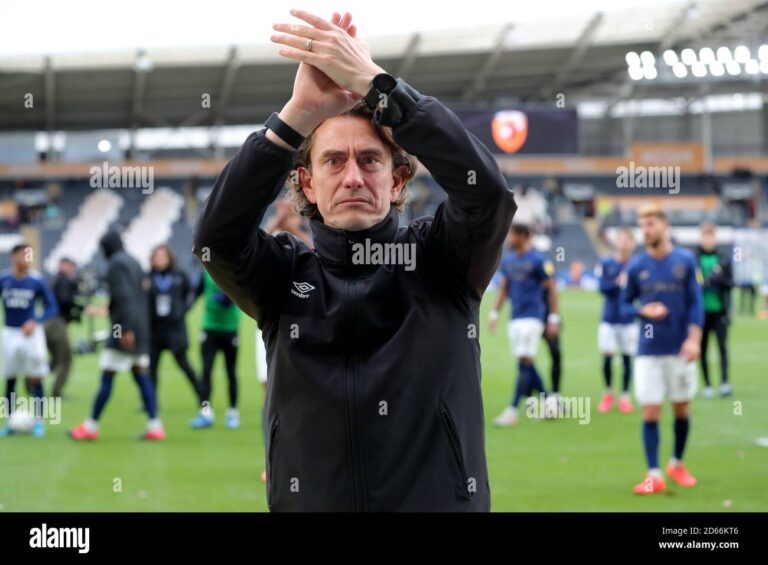
Marco Silva, the Portuguese football manager and former player, has been making waves in the English football landscape since his arrival. Known for his tactical innovation and ability to unlock player potential, Silva’s ascent in management has garnered significant attention, particularly following his impressive stints at various clubs in the Premier League. His strategies and outcomes are not only reshaping his teams but also contributing to the dynamic evolution of English football.
Career Highlights
Silva began his managerial career in Portugal, where he quickly rose through the ranks. His pivotal moment came during his time with Sporting CP, but it was at Estoril Praia and later at Olympiacos where he showcased his talents on an international level. Moving to the Premier League, his first major role was at Hull City in 2017. Silva’s innovative tactics almost salvaged the club from relegation, earning him respect within the league.
Fulham and Current Achievements
As of 2023, Silva is the manager of Fulham FC, where he has revitalised the team, guiding them to solid performances in the Premier League after their promotion. Under his management, Fulham has demonstrated a blend of attacking play and defensive discipline, reflecting Silva’s hallmark strategies. The club’s recent successes can be attributed to his understanding of the English game and the ability to adapt his management style to suit his players’ strengths.
Revolutionising Team Dynamics
Silva’s focus on individual player development has also sparked discussions among football analysts. He is known for nurturing young talent and instilling a sense of confidence that allows players, such as Andreas Pereira and Aleksandar Mitrović, to thrive in high-pressure situations. Observers have noted how Silva’s tactics have seen his team’s cohesion improve, helping to bridge the gap between experienced players and emerging stars.
Future Prospects
Looking ahead, Marco Silva’s career trajectory suggests he may soon be in contention for top managerial positions across Europe. His current contract with Fulham, combined with their encouraging performances, positions him well for potential future opportunities either within the club or at other elite teams. Football experts are watching closely, speculating on whether Silva could lead Fulham back into European competition if he continues to progress in this trajectory.
Conclusion
Marco Silva’s influence on English football management is becoming increasingly significant. His ability to foster a competitive, attacking style of play while nurturing young talent has set a benchmark for aspiring managers. As Silva continues his journey, both fans and analysts await to see how his career unfolds and whether he can achieve sustained success in an era where managerial stability is challenging to maintain.