Prior Expectations
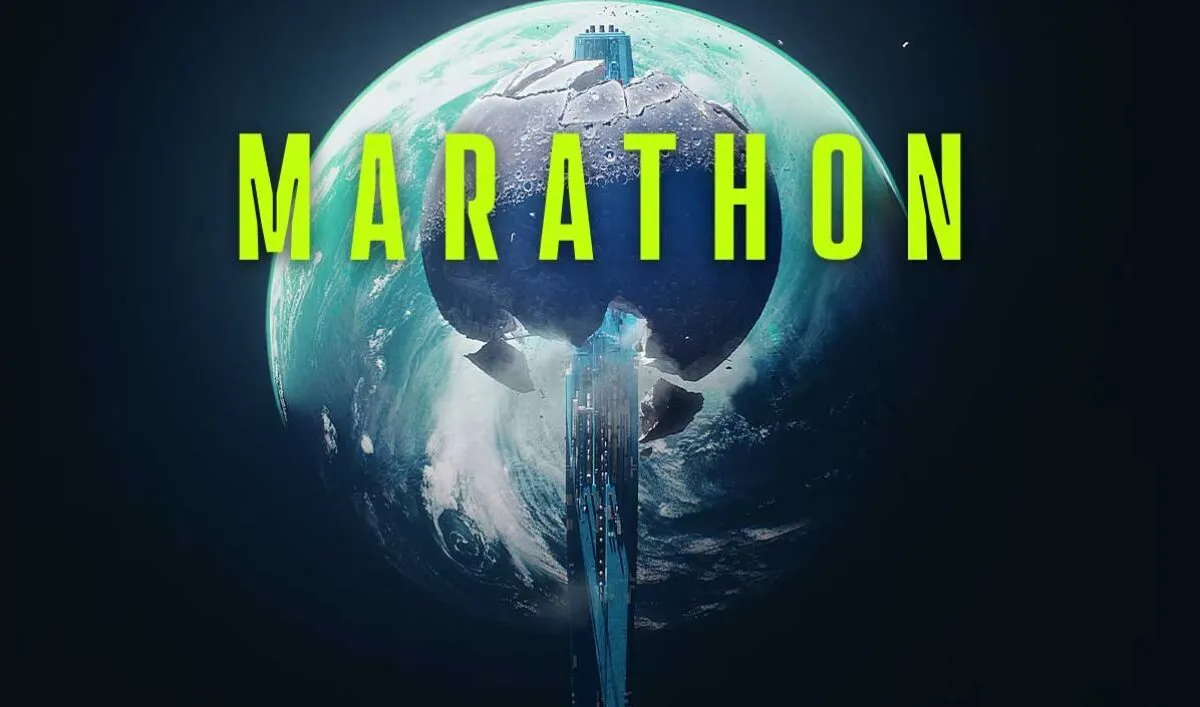
Before the recent launches of Marathon and Slay the Spire 2, the gaming community anticipated a competitive landscape, particularly given the popularity of both titles. Marathon, a revival of a classic franchise, was expected to attract a significant player base, especially with its availability on multiple platforms including Xbox Series X|S, Steam PC, and PS5. Meanwhile, Slay the Spire 2, a sequel to the acclaimed indie hit, was expected to maintain the momentum of its predecessor, which had already established a loyal following.
Decisive Moment
On March 5, 2026, both games launched simultaneously, creating a unique scenario in the gaming market. Marathon peaked at 86,718 concurrent players on Steam, a respectable figure for a newly launched title. In stark contrast, Slay the Spire 2 achieved a remarkable peak of 177,362 concurrent players, showcasing its immediate popularity and the strong demand for its Early Access release.
Direct Effects
The launch day figures indicate a clear shift in player engagement. While Marathon garnered positive feedback, with 89% of its 1,740 user reviews being favorable, it struggled to match the overwhelming interest in Slay the Spire 2, which boasted 94% positive reviews from 1,402 players. This disparity in player counts may influence future updates and marketing strategies for both games.
Expert Perspectives
Industry experts have noted the significance of these numbers in the context of game launches. Mega Crit, the developers behind Slay the Spire 2, acknowledged the competitive landscape, stating, “Congratulations to the Marathon team on their launch! Don’t let small indie passion projects like this pass you by just because Slay the Spire 2 is out ❤️.” This sentiment reflects the camaraderie often found in the gaming community, even amidst fierce competition.
The launch of Marathon and Slay the Spire 2 on the same day has reshaped expectations and player engagement metrics on Steam. As both games continue to evolve, it will be interesting to observe how they adapt to the competitive environment and the feedback from their respective player bases.