Introduction
As one of the most respected figures in global football, Luis Enrique has spent decades influencing the sport both as a player and a manager. His recent return to club management with Paris Saint-Germain (PSG) has reignited discussions about his tactical prowess and leadership qualities. This topic is relevant, not only for football fans but also for analysts keen on understanding the evolving dynamics of modern football.
Professional Background
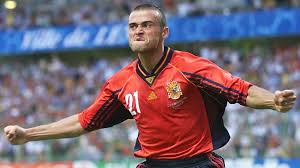
Luis Enrique, a former Spanish international and Barcelona legend, enjoyed a successful playing career before transitioning into management. Having taken charge of Spain’s national team, Enrique led the side to victory in the UEFA Nations League in 2021 and successfully guided Spain to the round of 16 in the 2022 FIFA World Cup. His tenure has been marked by a focus on youth development and tactical innovation, traits he aims to carry forward at PSG.
Return to PSG
In the summer of 2023, Luis Enrique was appointed as manager of PSG, following the departure of Christophe Galtier. The appointment came with high expectations, given PSG’s ambitions in both domestic and European competitions. Luis Enrique’s reputed attacking style and adaptability on the pitch have generated optimism among the club’s supporters and critics alike.
Under his guidance, PSG has begun to showcase an identity beyond its superstars. The recent matches have indicated a shift towards a more cohesive unit, with an emphasis on pressing and ball movement. Players like Kylian Mbappé have thrived under Enrique’s system, highlighting his ability to maximise the strengths of his players. Early results suggest a promising start to the season, with the team showing an enhanced performance in both Ligue 1 and the UEFA Champions League.
Current Challenges and Opportunities
Despite the positive trajectory, Luis Enrique faces challenges ahead. The French league is increasingly competitive, with clubs like AS Monaco and Olympique Marseille looking to challenge PSG’s dominance. Moreover, the pressures of the Champions League and expectations to deliver silverware require navigating both tactical intricacies and player management effectively.
Conclusion
Luis Enrique’s role in PSG and his impact on global football cannot be understated. His rich experience combined with innovative tactics makes him a pivotal figure in shaping the future of modern football. As fans and analysts closely follow his journey in Paris, expectations remain high for the upcoming seasons. The success of his tenure could further cement his legacy in the footballing world, paving the way for future talents in management.