Introduction
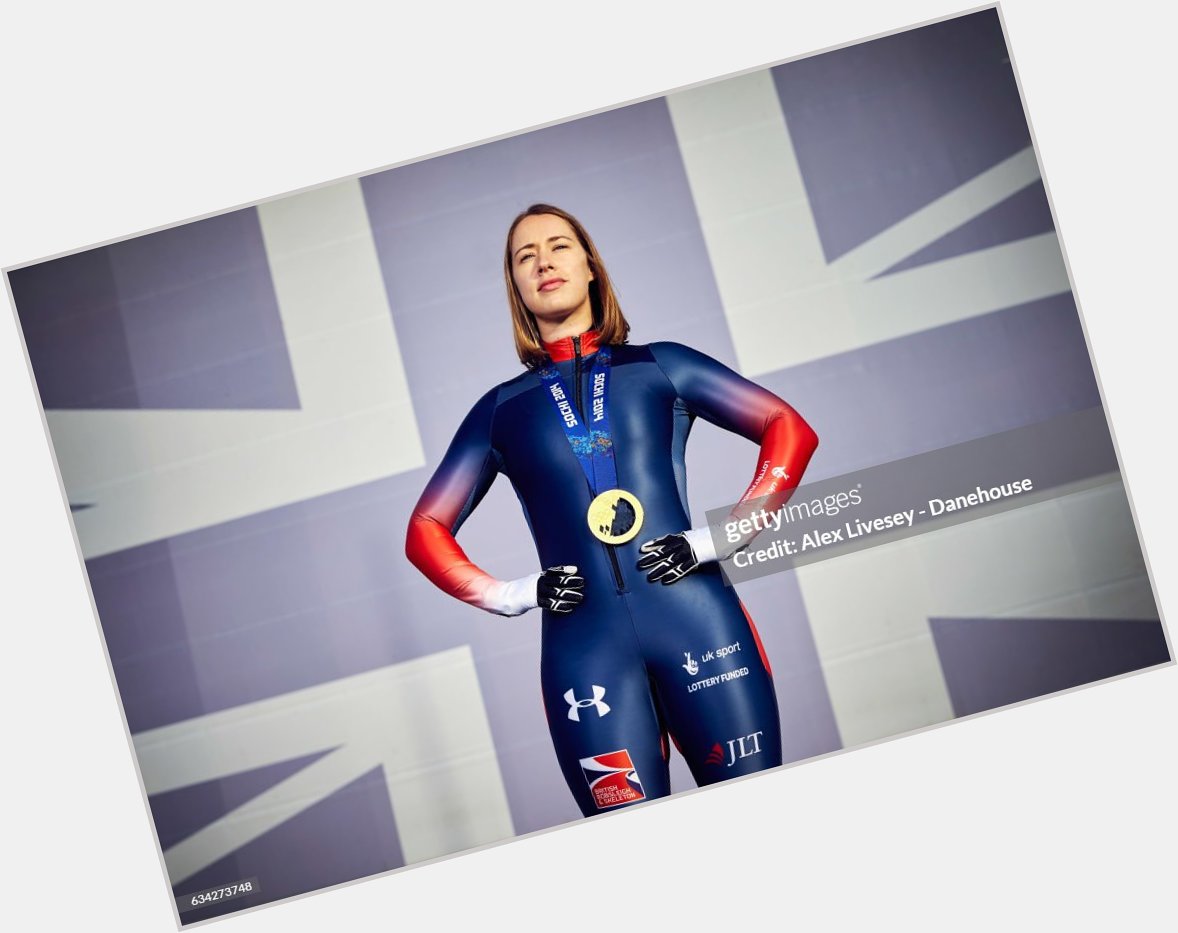
Lizzy Yarnold, the two-time Olympic gold medallist in skeleton racing, has recently opened up about her experience with weight gain post-retirement. This topic holds significant relevance in today’s society, where athletes often face pressure to maintain specific body images. Yarnold’s story sheds light on the struggles many athletes endure when transitioning into normalcy after intense competition and the societal expectations that accompany those changes.
The Weight Gain Discussion
Since retiring from a career that required her to be at peak physical fitness, Yarnold has candidly shared her journey of fluctuating weight. In interviews, she has described how the physical demands of her sport forced her to adhere to strict training and dietary regimes, but post-Olympics, she found herself in a different environment focusing on health over performance.
Yarnold stated that her weight gain began as she shifted her lifestyle to enjoy more personal freedoms away from the rigorous athletic training. As an athlete, she maintained a weight of approximately 72 kilograms, which was essential for peak performance on the ice; however, after the Olympics, her weight rose to around 80 kilograms. Many athletes experience similar changes, which can lead to challenges in self-image and mental health.
Impact on Mental Health
The discussion surrounding her weight gain is not only physical but also mental. Yarnold has expressed that her self-esteem took a hit initially. However, she has since embraced her body and its changes, advocating for self-acceptance among former athletes who may struggle with similar issues. She encourages a holistic approach to health that prioritises mental well-being over societal standards.
Her journey resonates with many who find it difficult to adapt to life after elite sports, where the focus often shifts to personal health rather than competitive standards.
Conclusion
Lizzy Yarnold’s story serves as a powerful reminder of the complexities surrounding body image, especially for athletes transitioning out of competition. Her openness about weight gain encourages discussions about the need for acceptance and health on individual terms rather than through the lens of competition. As society grows more aware of these issues, Yarnold’s experience will likely contribute to a shift in how we view body image, health, and the pressures athletes face. A broader understanding could lead to better support systems for those who were once in the public eye, highlighting that their worth is not defined by their weight or appearance.