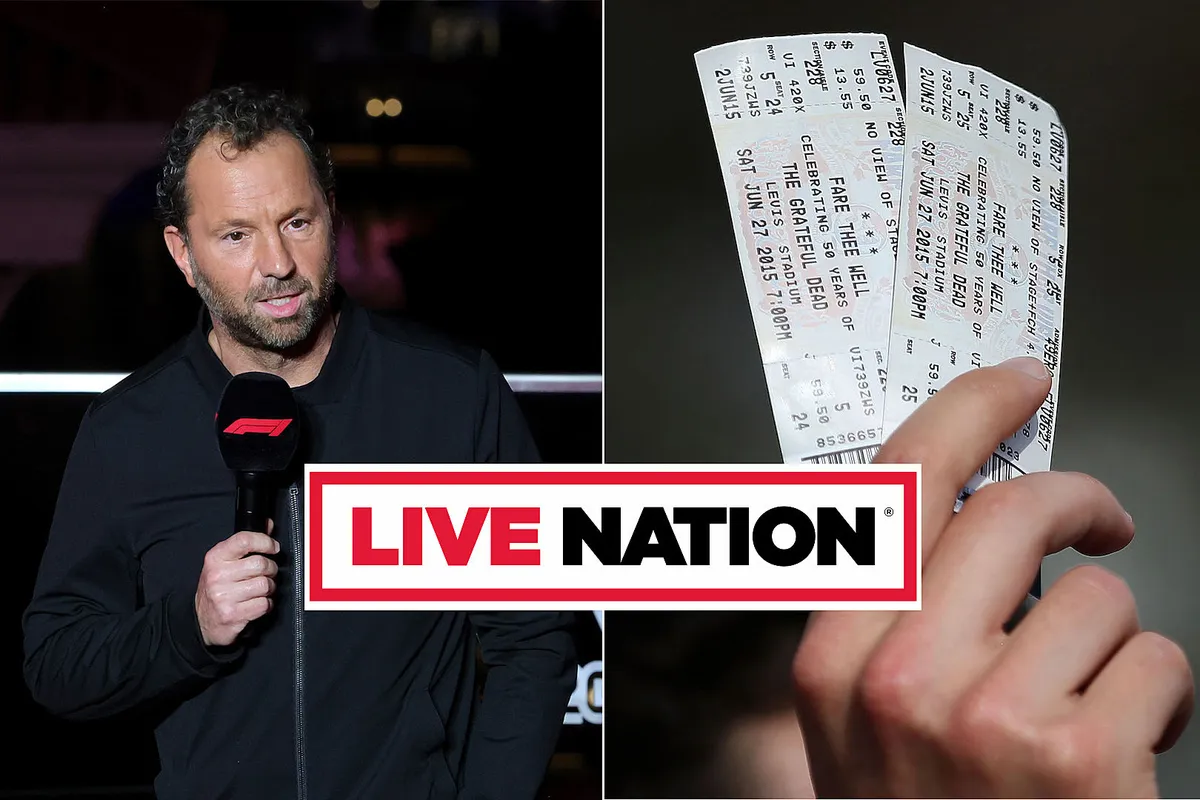
In a pivotal development for the live entertainment industry, Live Nation Entertainment is currently facing an antitrust settlement with the Department of Justice (DOJ) that has stirred considerable debate. This settlement was unexpectedly reached in early March 2026, prompting reactions from various stakeholders, including state attorneys general who have expressed their opposition.
Ari Emanuel, a prominent figure in the industry, has suggested that President Trump and the DOJ should consider settling the case, highlighting the complexities surrounding Live Nation’s operations. Meanwhile, CEO Michael Rapino has vigorously defended the company against accusations of monopolizing live concerts in the U.S., asserting that Live Nation has introduced ‘business professionalism’ to the live events space.
Despite Rapino’s defense, the settlement has not been without controversy. A majority of state attorneys general have voiced their concerns, indicating that the implications of this agreement could have far-reaching effects on competition within the industry. The scrutiny comes on the heels of a regional ticketing director’s controversial remarks in 2022, where he referred to the practice of increasing parking fees as ‘robbing’ concertgoers.
Financially, Live Nation is navigating a challenging landscape. The company reported a revenue of $6.31 billion for the last quarter, yet its stock has fluctuated significantly, with a 1-year low of $113.20 and a high of $175.25. Furthermore, Teamwork Financial Advisors LLC recently reduced its stake in Live Nation by an astonishing 96.3% in the fourth quarter of 2026, reflecting a lack of confidence among some investors.
Live Nation’s market capitalization stands at $34.98 billion, but its debt-to-equity ratio is notably high at 8.51, raising questions about its financial health. The company’s net margin is currently at 1.79%, indicating tight profit margins amidst rising operational costs.
As the situation unfolds, industry leaders are closely monitoring the reactions from both the public and government officials. Rapino has made it clear that he does not shy away from addressing criticisms, stating, “It’s disgusting, and it’s not how we operate.” He further emphasized the company’s commitment to ethical practices in the live events sector.
With the DOJ’s settlement and the ongoing scrutiny from state officials, the future of Live Nation remains uncertain. As the community awaits further developments, the dialogue surrounding fair competition in the live entertainment industry continues to grow.