Introduction
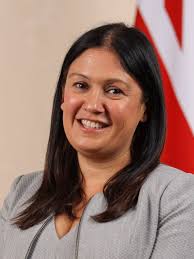
Lisa Nandy, the Member of Parliament for Wigan and shadow cabinet minister, has become an increasingly influential figure in UK politics. Known for her strong stance on social justice and commitment to addressing regional disparities, Nandy’s political journey reflects the evolving landscape of the Labour Party. Her increasing visibility and advocacy are essential to understanding current political dynamics in the UK.
Background and Political Career
Lisa Nandy was first elected to Parliament in 2010, succeeding the former Labour minister, Neil Turner. With a background in law and social policy, Nandy quickly established herself as a vocal advocate for her constituents, focusing on issues such as education, community development, and health care. Her tenure has seen her involved in various significant campaigns, aimed at improving the lives of those in her region.
In April 2020, Nandy was appointed as Shadow Foreign Secretary under leader Keir Starmer, a role that has further highlighted her skills as a communicator and negotiator on the international stage. With the UK navigating complex geopolitical challenges, Nandy’s role is critical as she brings fresh perspectives and a compassionate approach to foreign policy.
Key Policies and Initiatives
Nandy is particularly known for her emphasis on social and economic justice, believing that understanding local issues is vital for national policy. In recent addresses, she has outlined her commitment to a fairer economy, advocating for investments in green jobs and renewable energy as part of the transition towards a sustainable future.
Moreover, Nandy has been vocal regarding the importance of addressing inequalities faced by communities in northern England, positioning herself as a champion of ‘left-behind’ regions. This focus is reflecting a broader shift within the Labour Party under Starmer’s leadership, aiming to reconnect with constituents who feel neglected by traditional political approaches.
Recent Developments
As of late 2023, with the upcoming general election on the horizon, Nandy’s role continues to grow. She has been actively campaigning across the country, making her presence felt not only in Wigan but throughout the UK. Recent polls suggest that under her shadow cabinet leadership, the Labour Party may be gaining momentum as public trust shifts. Nandy’s efforts in fostering a collaborative approach within the party have been instrumental in revitalising Labour’s image.
Conclusion
In summary, Lisa Nandy represents a new generation of politicians who are committed to reshaping the political landscape in the UK. Her focus on social justice, regional inequalities, and international relations marks her as a key player in the future of the Labour Party. With her rising prominence, Nandy’s political journey is one to watch as she continues to influence both party policy and the broader political dialogue in the UK, making her a significant figure for both supporters and opponents alike.