Introduction
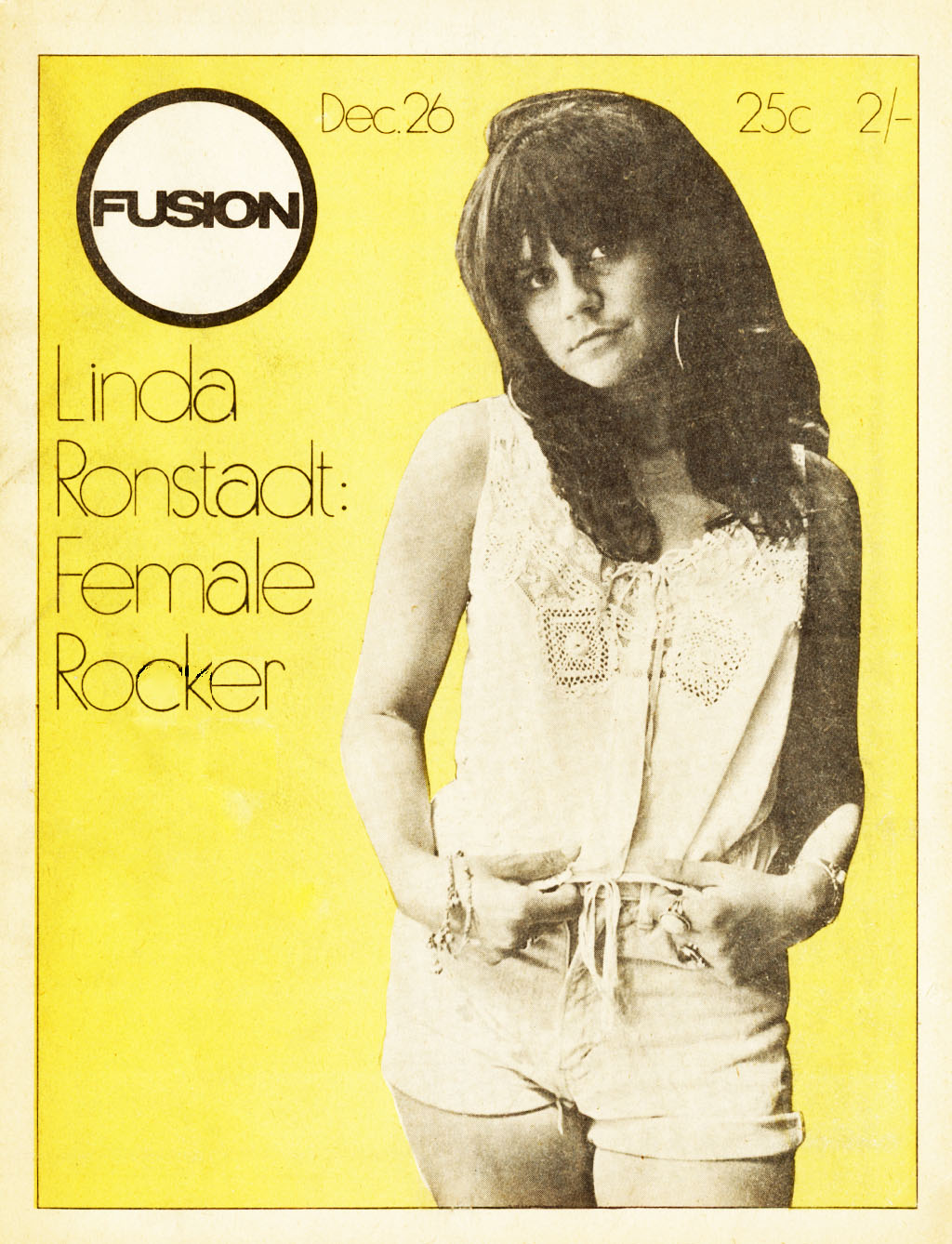
Linda Ronstadt, a name that resonates with music lovers globally, stands as a towering figure in the music industry. Over her five-decade-long career, Ronstadt has captured the hearts of millions with her versatile voice and ability to traverse multiple genres, from rock and country to Latin and pop. Her contributions to music and culture cannot be overstated, making her an important topic in discussions surrounding the evolution of modern music.
The Musical Journey
Born on July 15, 1946, in Tucson, Arizona, Linda Ronstadt began her career in the late 1960s. She initially rose to prominence as part of the folk-rock movement, performing with groups like the Stone Poneys. Her breakthrough came with her first solo album in 1970, which included the hit “Different Drum.” Throughout the 1970s, she released a string of successful albums and singles, including classics like “You’re No Good,” “Blue Bayou,” and “Long, Long Time.”
Ronstadt’s ability to blend different styles allowed her to collaborate with a diverse range of artists. She worked with the likes of Neil Young, Emmylou Harris, and the Eagles, showcasing her flexibility and broad appeal. In 1976, she became the first female artist to be awarded a platinum album for her album “Hasten Down the Wind,” further solidifying her status in the industry.
Legacy and Influence
Linda Ronstadt’s impact extends beyond her music. She was one of the first female artists to command a headline act, breaking barriers in a predominantly male industry. Ronstadt has received multiple Grammy Awards, an Emmy Award, and even a Latin Grammy for her contributions to Latin music, exemplifying her versatility. Recently, she was inducted into the Rock & Roll Hall of Fame in 2014, recognising her as a pivotal figure in rock history.
Her storybook career took a turn in 2013 when she announced her battle with Parkinson’s disease, which had affected her ability to sing. Despite step back from public performances, Ronstadt continues to inspire new generations of artists, proving that her influence will resonate for years to come.
Conclusion
Linda Ronstadt’s career serves not only as a testament to her lasting talent but also as a reflection of the musical landscape over the past several decades. As she continues to garner recognition and admiration, her legacy remains secure among the greats in music history. For readers, understanding her contributions and challenges offers a glimpse into the resilience of an artist who has weathered the storms of time and remains an inspiration in the art of music.