What does the FDA’s approval of leucovorin mean for patients?
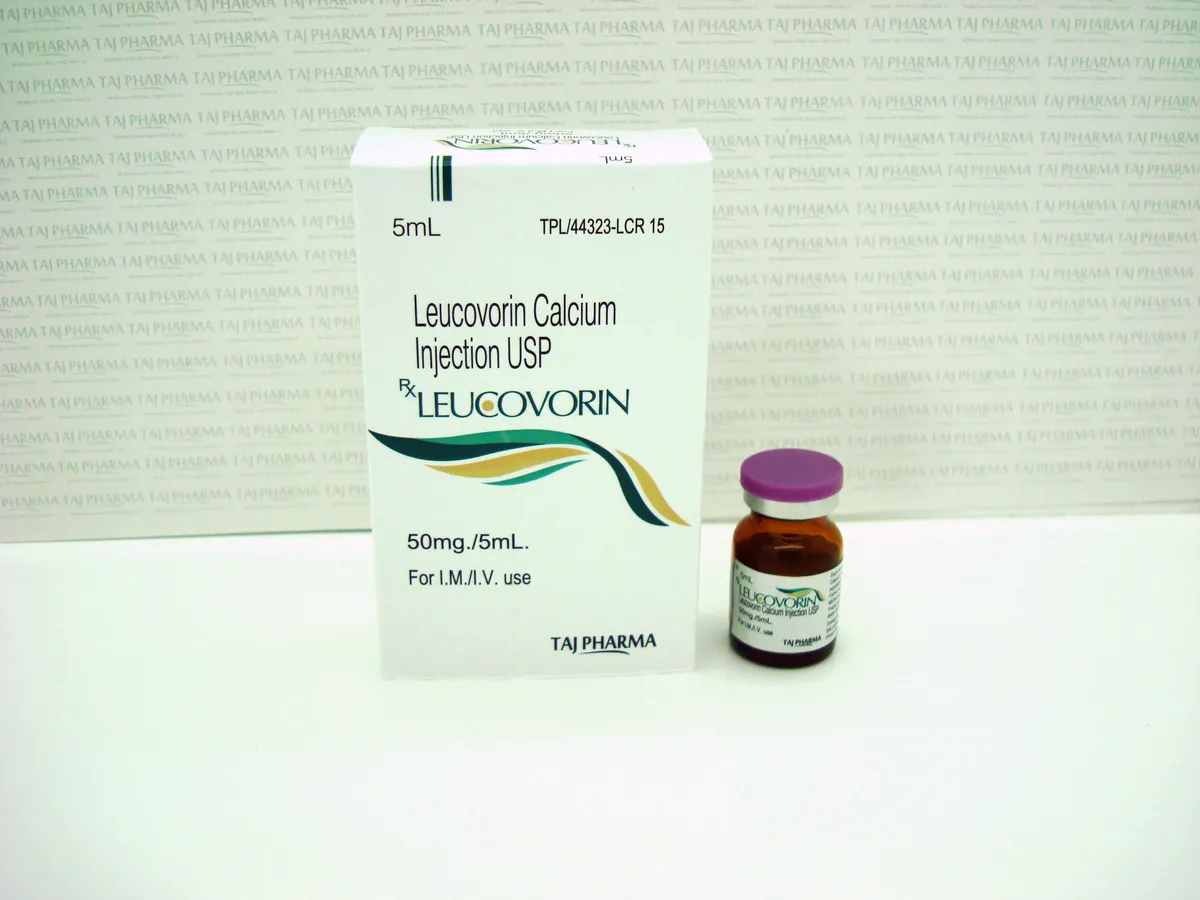
The FDA has approved leucovorin for cerebral folate deficiency, a rare genetic condition affecting about 1 in 1 million people. This approval comes after a systematic literature review, which included case reports and mechanistic data supporting the drug’s use.
Leucovorin, also known as folinic acid, is a high-dose B vitamin primarily used to counteract the side effects of chemotherapy. Since 2009, it has been utilized to treat folate deficiency, but fewer than 50 cases of cerebral folate deficiency have been identified worldwide.
While the FDA’s approval is a significant step for those affected by cerebral folate deficiency, the agency has stated there is insufficient evidence to support the use of leucovorin for autism treatment. This decision follows a surge in prescriptions after a White House briefing in September, which has made the drug difficult to find.
Some parents have reported improvements in their autistic children after using leucovorin, despite the lack of strong evidence. Dr. I. David Goldman remarked, “The damage is done, because parents with autistic kids are desperate.” This sentiment reflects the urgency many families feel regarding potential treatments.
Moreover, the FDA has indicated that they are open to interest from companies studying leucovorin’s effects on the autism population. However, the largest randomized double-blind, placebo-controlled trial testing leucovorin for autism was retracted due to errors, raising further questions about the drug’s efficacy in this context.
Details remain unconfirmed regarding the long-term effects of leucovorin on children with autism. The FDA official noted, “We don’t have sufficient data to say that we could establish efficacy for autism more broadly,” emphasizing the need for more research.
Currently, it is estimated that 20-50% of children with autism might produce antibodies that block folate transport, which could be relevant in understanding the potential benefits of leucovorin. Additionally, studies suggest that 60% of children with folate deficiency and autism could see improvements in speech with leucovorin.
As the medical community continues to navigate the complexities of cerebral folate deficiency and autism, the future of leucovorin as a treatment option remains uncertain. The FDA’s decision marks a pivotal moment, but much work lies ahead to clarify its role in autism treatment.